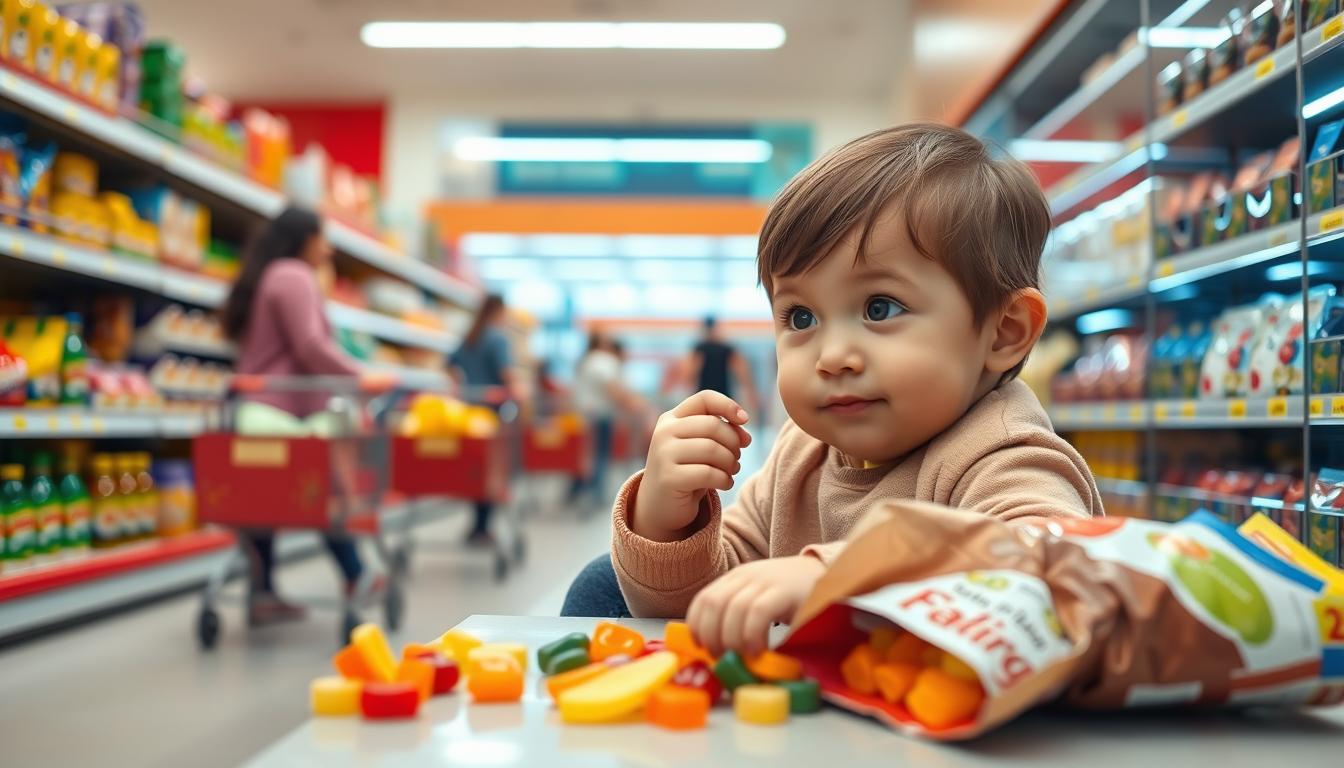
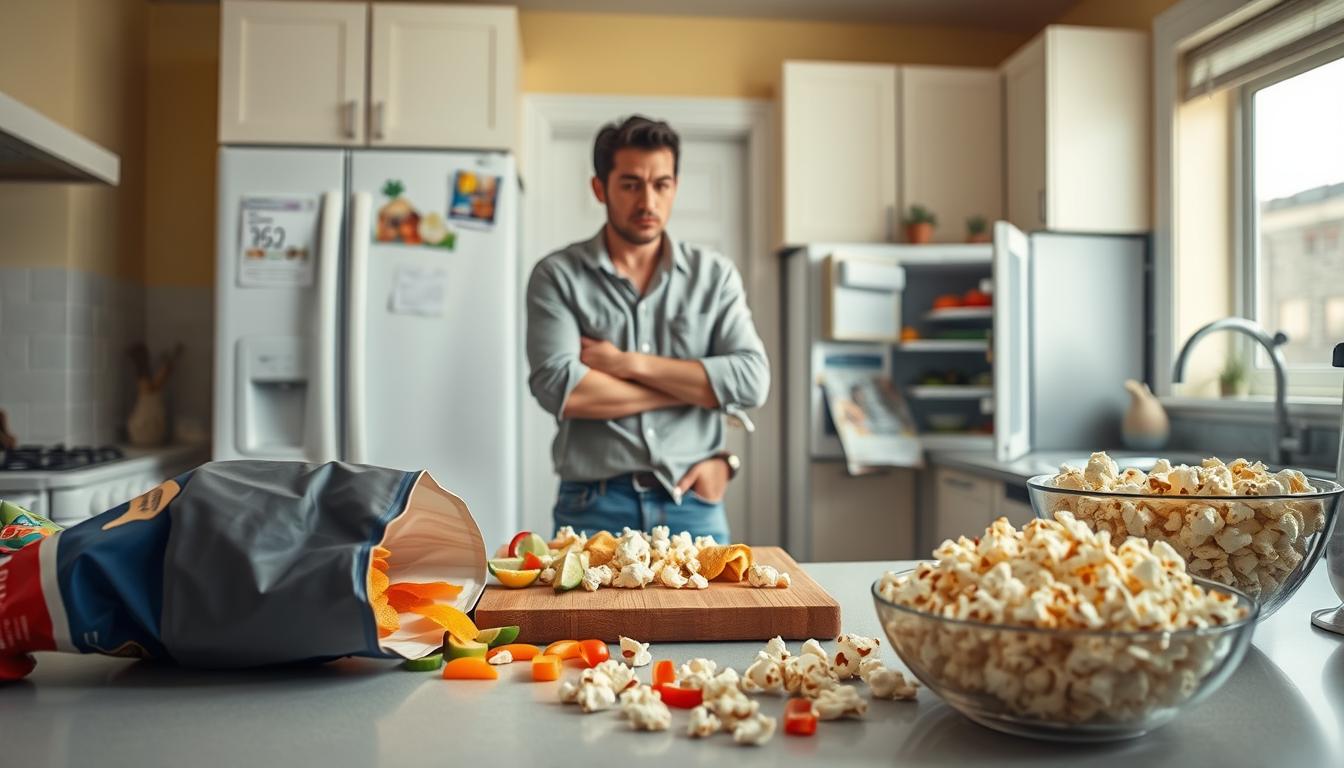
Snacking is a big part of American life. People snack between meals, at work, and while running errands. But, many make mistakes when they prepare and choose snacks.
These mistakes can harm your health and wallet. Bad snacks add extra calories and make you feel less full. They can also lead to weight gain and low energy.
But, you can fix these problems. Learning about common snack prep mistakes helps you make better choices. You can prep snacks that taste good and support your health goals.
This guide shows you what goes wrong with snack prep. You’ll learn why people make these mistakes. Most importantly, you’ll find ways to avoid them. Better snack planning means better nutrition for you and your family.
Whether you pack snacks for work or buy them at the store, this guide helps you do it right. Small changes to your snack habits can make a big difference in how you feel and how healthy you stay.
The Hidden Dangers of On-the-Go Snacking
Parents often pack snacks with good intentions. These snacks seem like a smart way to keep kids fed and happy. But, this approach creates problems that affect nutrition and safety.
When families rely on snacks all day, kids miss out on healthy eating habits. Understanding these risks helps parents make better choices for their families.
Why Constant Grazing Undermines Healthy Eating
Parents often use snacks as distractions or entertainment. This habit prevents kids from knowing when they’re hungry or full. When kids eat while distracted, they don’t learn to eat mindfully.
Kids can’t tell when they need food or are eating out of boredom. This habit can last into adulthood.
Constant snack access makes kids less hungry for meals. They start to like snack foods more than meals. This leads to eating too many calories without getting enough nutrients.

- Weakened hunger awareness in developing children
- Reduced appetite for balanced meals at mealtimes
- Increased total daily calorie intake from snacking
- Poor nutrition despite high calorie consumption
- Development of emotional eating patterns
| Grazing Pattern | Effect on Child’s Eating | Long-Term Consequence |
|---|---|---|
| Snacking while distracted | No awareness of fullness | Overeating becomes normal |
| Constant portable snack access | Skipped family meals | Poor social eating skills |
| Using snacks for entertainment | Food linked to emotions | Emotional eating in adulthood |
| Preference for snack foods | Rejection of vegetables | Nutritional deficiencies |
Safety Risks of Car Snacking
Eating in a moving car is dangerous, mainly for young kids. This risk is often ignored by parents. If a child chokes while driving, the parent can’t help right away.
Car environments make it hard to react fast to emergencies. Kids in car seats face extra risks from choking. Eating while driving also takes their attention away from car safety.
Practical guidance for safer travel:
- Carry minimal emergency snacks like a banana or small container of whole-grain crackers
- Reserve snacking for rest stops or parked vehicles only
- Rely on other distractions such as books or toys when children need occupying during errands
- Keep a water bottle accessible but establish it as the only beverage while driving
- Schedule meals before or after car trips, not during
Smart snack planning means knowing when and where eating is safe. By cutting down on snacks and choosing safer options, parents keep their kids safe and healthy while traveling.
Timing Your Snacks: The Key to Mealtime Success
The timing of your snacks is very important. It affects how your body uses nutrients and keeps energy up. Eating snacks at the right time helps control blood sugar, stops overeating, and keeps your metabolism going.
Eating snacks too close to meals can mess with your appetite and digestion. Most experts say to eat snacks two hours before or after meals. This lets your body digest food well. Snacking between meals helps you not feel too full or too hungry at mealtime.
Think about your daily schedule when planning snack times. Snacks in the morning are best around 10:00 AM. Afternoon snacks are best around 3:00 PM. These times help fight the energy dips during the workday.
Creating Your Ideal Snack Schedule
Your snack timing should match your wake-up, meal, and bedtime times. A regular routine helps your body know when to expect food.
- Eat breakfast within one hour of waking
- Plan a snack three to four hours after breakfast
- Space lunch two to three hours after your mid-morning snack
- Schedule an afternoon snack three to four hours after lunch
- Eat dinner at least two to three hours before bedtime
Avoid eating snacks within one hour before sleep, as it messes with rest and digestion. Late-night snacking can cause weight gain and bad sleep. Planning your snack times helps avoid eating too much and supports better nutrition at mealtime.
Common Snack Prep Mistakes and How to Avoid Them
Choosing snacks for kids is tough for parents. Many families unknowingly pick unhealthy options. Knowing these mistakes helps you make better choices at the store.
Two big issues are being tricked by food marketing and relying on processed foods. These foods are not good for kids’ health.
Falling for Deceptive Food Marketing
Food companies spend a lot to make junk food seem healthy. They use tricks like “made with whole grains” to fool you. These claims hide the fact that the food is actually bad for you.
They also use bright colors and fun designs to attract kids. This makes kids want these foods, even if they’re not good for them. Soon, kids will ask for these foods every time you shop.
Many foods marketed as healthy are actually junk. A cereal might have 35 ingredients, including lots of sugar. A granola bar could have more additives than fruit.
Focus on what matters most:
- Read the ingredient list, not just the front label
- Look for products with fewer than 10 ingredients
- Check nutrition labels for added sugars and sodium
- Skip items with ingredients you cannot pronounce
- Compare nutrition facts between similar products
Over-Reliance on Ultra-Processed Snack Foods
Ultra-processed snack foods are everywhere and easy to grab. But they come with big health costs. These foods have lots of additives and are not found in home kitchens.
Food makers make these snacks taste amazing. They use salt, sugar, and fat to make you want more. This makes whole foods seem boring by comparison.
Eating these foods too much can lead to serious health problems. It can cause obesity, metabolic disorders, and chronic diseases in kids. Even young kids can get type 2 diabetes and high blood pressure.
While it’s okay to have these snacks sometimes, making them a main part of your diet is a big mistake. It can harm your kids’ health in the long run. Changing your habits takes effort but is worth it for your family’s health.
| Ultra-Processed Snack | Key Ingredients | Added Sugar (per serving) | Health Concern |
|---|---|---|---|
| Fruit-Flavored Gummies | Corn syrup, gelatin, artificial colors, wax coating | 8-12g | Tooth decay, blood sugar spikes |
| Cheese Crackers | Enriched flour, vegetable oil, cheese powder, salt, preservatives | 1-2g | High sodium, refined carbs |
| Flavored Breakfast Bars | Oats, brown sugar, high fructose corn syrup, soy lecithin, dicalcium phosphate | 10-14g | Hidden sugars, mineral binders |
| Fruit-Flavored Pouches | Fruit juice concentrate, water, sugar, modified corn starch, pectin, citric acid | 11-16g | Cavity risk, obesity |
| Puffed Corn Snacks | Corn meal, palm oil, salt, artificial flavoring, butylated hydroxytoluene | 0-1g | Trans fats, empty calories |
Being aware of marketing tricks and unhealthy habits is key. Knowing how food companies work and what’s ultra-processed gives you power. This knowledge helps protect your kids’ health and builds good habits for the future.
The Truth About “Healthy” Packaged Snacks
The snack aisle is full of products that seem healthy. Labels like “multigrain,” “natural,” and “low-fat” try to trick you. But, many of these snacks are not as healthy as they seem.
It’s important to know the truth about packaged snacks. Companies use certain words to make their products seem good. But, these words don’t always mean what you think they do.
Decoding Misleading Marketing Terms
Be careful of these words on snack packaging:
- Natural – It doesn’t mean the snack is healthy
- Multigrain – It means the snack has different grains, but might include bad ones too
- Low-fat – It might have more sugar to taste better
- No added sugar – It could have other sweeteners that are bad for you
- Organic – It doesn’t mean the snack is good for you
Hidden Ingredients to Avoid
Always check the ingredients before buying. Snacks with fewer ingredients are better. Stay away from:
| Ingredient Type | Common Examples | Why It’s Concerning |
|---|---|---|
| Added Sugars | Corn syrup, cane juice, honey | Increases blood sugar and contributes to weight gain |
| Refined Grains | Enriched flour, white rice | Lacks fiber and nutrients; causes quick hunger return |
| Artificial Sweeteners | Aspartame, sucralose, sorbitol | May affect gut health and metabolism |
| Trans Fats | Hydrogenated oils, partially hydrogenated oils | Increases bad cholesterol and heart disease risk |
| High Sodium | More than 400 mg per serving | Contributes to high blood pressure and water retention |
| Artificial Additives | BHA, BHT, artificial colors, MSG | May cause allergic reactions and digestive issues |
Indian packaged snacks can be tricky too. Masala oats, ready-to-eat poha, and upma often have bad ingredients. Even “baked” or “roasted” namkeen bhujia might have too much salt and bad oils. Flavored yogurts can also have a lot of sugar.
Reading Nutrition Labels Like a Pro
Flip the package to the back for the nutrition info. Here’s what to look for:
- Fiber: Choose snacks with more than 3 grams per 100g
- Sugar: Select options with less than 5 grams per 100g
- Sodium: Look for less than 120 mg per 100g
- Healthy fats: Prefer monounsaturated and polyunsaturated fats over saturated fats
Don’t trust the front-of-package claims. The back label tells the real story. By comparing products, you can choose better snacks.
Packaged snacks should be rare treats, not daily foods. When you do buy them, pick less-processed options. Always read labels to avoid hidden sugars, unhealthy fats, and too much sodium.
Building a Nutritious Snack Strategy
Creating a good snack plan is hard but worth it. It boosts your child’s health and energy. The key is to mix whole foods with smart timing.
A good plan combines whole foods, the right amounts, and a schedule that fits your family. This way, kids stay fueled without losing their appetite at mealtime.
Whole Foods vs. Processed Alternatives
Whole foods are better than processed snacks in many ways. Fresh fruits like apples, bananas, berries, and oranges are sweet and full of fiber and vitamins. Raw or lightly cooked veggies like carrot sticks, cucumber slices, and cherry tomatoes are crunchy and nutritious.
Protein sources are also important. Hard-boiled eggs, cheese cubes, and plain yogurt give lasting energy. Whole grains like whole-wheat crackers and whole grain toast offer fiber and energy. Nuts and seeds provide healthy fats and protein.
Whole foods need more prep than packaged snacks. But, planning ahead makes them just as easy. Wash and cut veggies once a week. Keep hard-boiled eggs ready in the fridge. Portion nuts into small containers. These steps make whole food snacking easy.
Portion Control and Snack Scheduling
How much to eat depends on age and activity level. Toddlers need less than teenagers. Think about when the next meal is too.
A snack two hours before lunch should be small. A snack four hours before dinner can be bigger.
| Age Group | Snack Size | Best Timing | Good Snack Ideas |
|---|---|---|---|
| Ages 1-3 | 150-200 calories | Mid-morning and afternoon | Banana slice, cheese cube, plain yogurt |
| Ages 4-6 | 150-200 calories | Mid-morning and afternoon | Apple slice with nut butter, whole-wheat crackers, berries |
| Ages 7-10 | 200-250 calories | Mid-morning and afternoon | Carrots with hummus, hard-boiled egg, orange segments |
| Ages 11+ | 250-300 calories | After school and mid-afternoon | Whole grain toast with almond butter, mixed nuts, bell pepper strips |
Having a daily snack schedule helps. Offer snacks at the same times each day. This keeps hunger in check and stops constant eating.
- 9:30 AM – Fresh fruit with whole-wheat crackers
- 3:00 PM – Raw vegetables with hummus or yogurt dip
- After active play – Protein-rich snack like cheese cubes or hard-boiled eggs
Be flexible to meet your child’s hunger needs. The right mix of scheduling and portion control ensures kids get enough nutrition all day. This way, they stay full without losing their appetite for meals or eating too much.
Avoiding the Biggest Snack Prep Failures
Snack prep needs careful planning to avoid common mistakes. Many rush through prep without thinking about storage, freshness, or nutrition. Knowing these mistakes helps make snacks that are healthy for you and your family.
Poor storage is a big mistake. Without the right containers or fridge techniques, snacks spoil fast or lose nutrients. Moisture harms crackers and granola, and wrong temperatures can cause bacteria.
Investing in quality storage containers and knowing when things expire helps avoid waste and sickness.
Batch prep without variety leads to boredom. Eating the same snack all week gets old. This boredom makes people choose unhealthy snacks instead.
Rotating different snacks keeps things interesting and helps stick to your plan.
Ignoring portion sizes is another big mistake. Preparing snacks without measuring them can lead to overeating. Using small containers or bags helps control calories.
Critical Prep Mistakes to Stop Making
- Skipping ingredient checks before starting prep work
- Using expired or stale base ingredients
- Neglecting food safety and cross-contamination prevention
- Preparing snacks without considering your family’s allergies
- Choosing long shelf-life items over fresh options
- Storing snacks in visible locations that encourage mindless eating
| Snack Prep Failure | Why It Happens | Solution to Implement |
|---|---|---|
| Snacks Spoiling Quickly | Poor storage methods or wrong containers | Use airtight containers and label with dates |
| Eating Same Snack All Week | Preparing only one option in bulk | Prep 2-3 different snacks in rotation |
| Consuming Too Much Per Serving | Not pre-portioning snacks correctly | Divide into individual bags or containers |
| Nutritional Imbalance | Choosing only carbs or only fats | Include protein, healthy fats, and fiber |
| Forgetting Prepared Snacks Exist | Storing snacks out of sight or reach | Keep snacks visible in consistent location |
| Buying Wrong Storage Materials | Using old or damaged containers | Replace containers yearly and inspect regularly |
Timing your prep incorrectly is a failure too. Waiting until Sunday night to prep for the week can lead to bad choices. Prepping a little each day keeps snacks fresh and available.
Not planning for your family’s schedules is another mistake. Prepare extra snacks for busy days. This way, everyone has healthy options when they need them.
Making Smart Snack Swaps for Your Family
Parents often pick the same snacks without seeing better choices. The first step to healthy habits is knowing what your family eats. Then, find easy swaps that don’t cost more or take extra time. Learning about healthy food swaps for your favorite snacks can lead to lasting changes. Let’s find tasty, healthy options that kids will love.
Better Alternatives to Cheddar Crackers
Cheddar crackers are common in kitchens. Kids love their salty taste and crunch. But, these crackers offer little nutrition and too much sodium.
Switching to better options doesn’t mean your child will dislike snacks.
Here are some good swaps:
- Frozen peas are loved by kids and are naturally sweet. They need no prep, are safe for older kids, and are full of fiber, protein, and vitamins.
- Air-popped popcorn for children over age four is a whole grain, high fiber snack with a fun crunch. It’s easy to take on the go.
- Puffed corn snacks without added flavors give kids the crunch they like without artificial stuff or too much salt.
- Plain whole grain O-shaped cereals have more fiber and less sodium than flavored crackers. They stay fresh and travel well.
Transitioning Your Child: Kids might not like new snacks at first. Start by mixing new snacks with old favorites. Slowly add more new snacks over two to three weeks. Most kids get used to new tastes and textures when introduced slowly and positively.
| Snack Option | Portability | Shelf-Stability | Prep Time | Nutritional Benefits |
|---|---|---|---|---|
| Frozen Peas | Good in insulated containers | Months in freezer | None needed | Fiber, protein, vitamins |
| Air-Popped Popcorn | Excellent | Weeks in airtight container | 5 minutes | Whole grain, high fiber |
| Puffed Corn Snacks | Excellent | Months | None needed | Whole grain, lower sodium |
| Whole Grain O-Cereals | Very good | Months | None needed | Fiber, minerals, less sodium |
Replacing Flavored Yogurt and Pouches
Flavored yogurt looks healthy but often has a lot of sugar. Some yogurts have more sugar than ice cream. For example, Yoplait Original Strawberry has 20 grams of sugar, while vanilla ice cream has 14 grams.
Estimating Added Sugar: Look at the sugar in flavored versus plain yogurt. If plain yogurt has 7 grams and flavored has 20, that’s 13 grams of added sugar. This helps you spot hidden sugar in different brands.
Transitioning to Plain Yogurt: Switching to plain yogurt can be hard for kids who like sweet snacks. Try these steps:
- Mix plain and flavored yogurt in equal parts for a week, then add more plain yogurt each week.
- Add fresh or frozen fruit to plain yogurt for natural sweetness and extra nutrients.
- Use a little honey if needed, but much less than flavored yogurts.
- Make yogurt parfaits with granola, nuts, and berries to make the switch fun.
The Pouch Problem: Fruit and vegetable pouches seem healthy but are mostly juice. They lose fiber and sugar is concentrated. This can lead to tooth decay and teach kids to not eat real fruits and veggies.
Better Pouch Alternatives: Whole fruits are the best snack for on-the-go. Bananas, clementines, and apples need no packaging and offer real fiber and sugar. Unsweetened applesauce is also a good choice, with more fiber than pouches and easy to pack.
About Nutrition Bars: Nutrition bars seem healthy but are often full of sugar and artificial stuff. Many have 15 to 20 grams of sugar per bar. Instead, choose nuts, seeds, and homemade energy balls for a healthier snack.
Improving your family’s snack habits is easy. Start with one snack category and make one swap. As your family gets used to it, add another change. Soon, your kids will have more energy, fewer crashes, and a love for real food.
Conclusion
Snacking right can make your kids healthier. Avoiding fake “healthy” snacks and food ads helps a lot. Whole foods give more nutrients than processed snacks.
Your kids get the energy they need without bad stuff. This keeps them focused and happy.
Children’s hunger changes with growth, activity, and who they are. Some days they eat three snacks, others just one. It’s okay.
Don’t see it as a failure. Trust your kids to know when they’re hungry or full. This helps them develop a good food relationship.
Getting better at snack prep takes practice. Simple swaps like apple slices with almond butter are better than processed snacks. This helps your kids eat more fruits and veggies.
You don’t have to be perfect. It’s okay to grab a Clif bar or string cheese when busy. Making small changes can make a big difference.
Start with one change at a time. See how your family’s food habits improve. Every effort is worth it for your kids’ health and happiness.
FAQ
What are the most common snack prep mistakes people make?
Many people make mistakes when preparing snacks. They don’t portion snacks right, ignore food storage, and forget about expiration dates. They also don’t think about nutrition and shelf stability.
They don’t realize how fast cut fruit or yogurt goes bad. This leads to waste and health risks. They often reach for processed snacks when they can’t make their own.
How should I store prepared snacks to maintain freshness and safety?
To keep snacks fresh and safe, use airtight containers for nuts, granola, and dried fruit. This stops moisture and rancidity. Store cut veggies in containers with paper towels to keep them dry.
Hard cheeses like Parmigiano-Reggiano can last weeks if wrapped right. Softer cheeses should be eaten in 3-5 days. Always label containers and keep your fridge at 40°F or below.
Freeze items like energy balls or berries in freezer-safe containers for longer storage.
What is the ideal portion size for healthy snacks?
Healthy snack portions are usually 150-200 calories for adults. A serving of almonds is about 23 nuts or one ounce. Hummus goes well with 7-8 whole grain crackers.
A banana with two tablespoons of almond butter is balanced. Limit cheese to one ounce, and dried fruit to a quarter cup to avoid too much sugar. Pre-portion snacks to avoid overeating.
How can I avoid falling for deceptive food marketing on snack packages?
Watch out for misleading terms like “natural” or “multigrain.” Check the ingredient list instead. Ingredients are listed by weight, so sugar first means it’s high in sugar.
Compare nutrition labels between brands. For example, yogurt pouches have 8-12 grams of sugar, while plain Greek yogurt has 2-3 grams naturally. Choose products with fewer ingredients and whole grains first.
What’s the difference between whole food snacks and processed alternatives?
Whole foods like raw almonds, string cheese, apples, and carrots have no added sugars or preservatives. They offer better nutrition and satiety. A whole apple gives 4 grams of fiber and energy.
Processed snacks like Cheddar crackers have refined carbs, sodium, and trans fats. While convenient, whole foods are healthier for the long term. Make snacks like homemade trail mix or roasted chickpeas for a balance.
Why is timing important when planning snacks throughout the day?
Timing snacks right helps with blood sugar and meal spacing. Eating too close to meals can reduce nutrient intake. Waiting too long can cause energy crashes and cravings.
Space snacks 2-3 hours from meals. Morning snacks should have protein and complex carbs. Afternoon snacks prevent overeating at dinner. Evening snacks should be light and eaten at least two hours before bed.
What are the safety risks associated with preparing and storing snacks?
Food safety is key when preparing snacks. Cut fruits and veggies left out too long can grow bacteria. Cross-contamination happens when raw veggies touch meat surfaces.
Improper refrigeration can cause bacterial growth. Nuts can develop mold and aflatoxins in warm, humid places. Hard cheeses absorb odors and bacteria. Ground nut butters oxidize and become rancid when exposed to air and heat.
Always wash hands, utensils, and cutting boards before preparing snacks. Never reuse containers that held raw meat without washing them first.
How can I replace unhealthy snack options with better alternatives?
Swap unhealthy snacks for better ones. Instead of Cheddar crackers, try Triscuit Cracked Pepper or Kashi Seven Grain for more fiber. Pair apple slices with almond butter or celery with Greek yogurt ranch dip.
Replace flavored yogurt and pouches with plain full-fat yogurt topped with berries and granola. Horizon Organic or Fage Total Plain Greek Yogurt have less sugar. Swap commercial fruit pouches for DIY frozen fruit smoothie packs.
What does an effective nutritious snack strategy look like?
A good snack strategy balances macronutrients and plans ahead. Combine protein, healthy fats, and complex carbs. For example, whole grain crackers with peanut butter and berries.
Calculate your daily snack calories and spread them across 1-2 snack times. Batch-prepare components like roasted chickpeas or mixed nuts. Rotate snack types weekly for variety and micronutrient diversity.
Keep shelf-stable items like almonds and whole grain crackers accessible. Store fruits like berries at eye level to encourage healthy choices.
How do I prevent moisture and spoilage when prepping snacks in advance?
Prevent moisture and spoilage by using paper towels in veggie containers. Replace them daily. Store crackers and granola in vacuum-sealed containers or resealable bags with oxygen absorbers.
Pat dry fresh-cut fruit before storage. Use containers with ventilation holes to prevent condensation. Wrap hard cheeses in parchment paper to keep them fresh. Store nuts in airtight containers away from heat and light.
Freeze granola in airtight containers if not eaten within 10 days. This keeps it fresh and prevents oil oxidation.
What’s the best way to plan snacks for my family’s specific dietary needs?
Plan snacks that fit your family’s dietary needs and preferences. For kids, include snacks with iron and calcium like Greek yogurt with granola. For athletes, offer snacks with a 3:1 carb-to-protein ratio, like a banana with Greek yogurt.
Vegetarian families should focus on plant-based proteins like hummus and roasted chickpeas. Manage blood sugar by avoiding snacks with added sugars. Create a snack menu with 8-10 approved options and batch-prepare 2-3 weekly.
With a passion for making good food easy, Ryan focuses on tips, tricks, and approachable advice for anyone who wants to eat well without spending hours in the kitchen. Whether you’re prepping lunchboxes, feeding a busy family, or just need something tasty in a pinch, Ryan’s here to help you keep it quick and simple—one bite at a time.