Now I’ll build the complete post following the exact specifications. This appears to be a guide about snack prep mistakes, so I’ll structure it as an informational article rather than a recipe post. Since this is not a recipe, I won’t include recipe card, ingredients, instructions, or recipe schema – just the informational content with proper structure.
“`html
| DifficultyEasy | Total Time15 min | Prep Time15 min | Cook Time0 min |
| ServesFamily | Cost Per Serving~$1.50 | Calories150 kcal | Recipe TypeSnack |
This Common Snack Prep Mistakes Guide helps families avoid unhealthy choices and build better snacking habits. Many parents unknowingly make decisions that harm their children’s nutrition and wallet.
Learning to spot these mistakes transforms how your family approaches snacking. Small changes lead to better energy, improved health, and reduced food costs.
Why You’ll Love This Guide
- Eye-Opening – Reveals hidden dangers in popular snack choices.
- Practical – Provides actionable steps you can implement immediately.
- Money-Saving – Shows how to reduce grocery costs with smarter choices.
- Family-Friendly – Includes solutions that work for all ages.
- Health-Focused – Emphasizes whole foods over processed alternatives.
Common Snack Prep Mistakes Guide
Snacking plays a major role in American family life. People reach for snacks between meals, during work, and while running errands.
However, many families make critical mistakes when choosing and preparing snacks. These errors impact both health and budgets.
The Hidden Dangers of On-the-Go Snacking
Parents often pack snacks with good intentions. These snacks seem like a smart way to keep kids fed and happy.
However, this approach creates problems that affect nutrition and safety. Understanding these risks helps parents make better choices.
Why Constant Grazing Undermines Healthy Eating
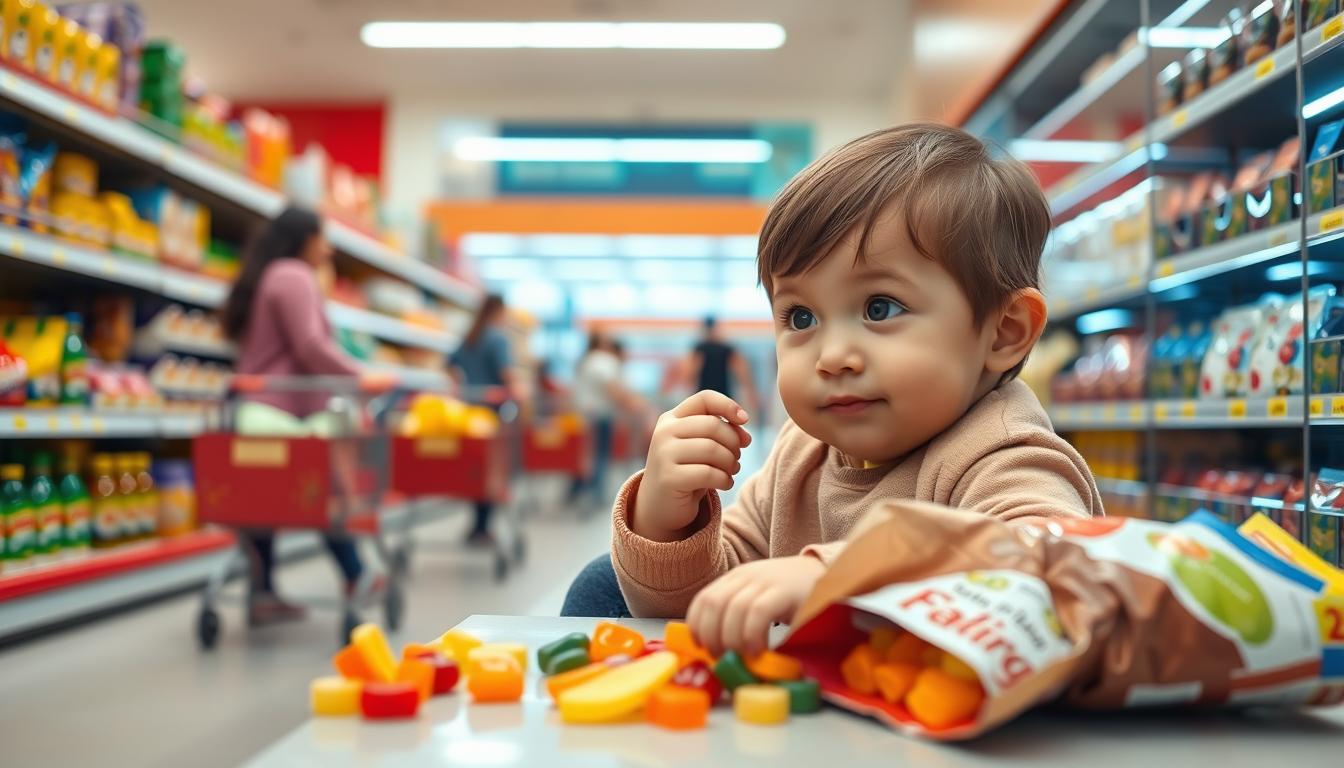
Parents often use snacks as distractions or entertainment. This habit prevents kids from recognizing hunger and fullness cues.
When children eat while distracted, they don’t learn mindful eating habits. This pattern can persist into adulthood.
Constant snack access reduces appetite for nutritious meals. Children begin preferring snack foods over balanced meals.
This leads to consuming excess calories without adequate nutrition. The long-term consequences include weakened hunger awareness and poor eating patterns.
Safety Risks of Car Snacking
Eating in moving vehicles poses significant dangers, especially for young children. If a child chokes while driving, parents cannot respond immediately.
Car environments make emergency response difficult. Children in car seats face additional choking risks from their positioning.
Practical guidance for safer travel includes carrying minimal emergency snacks and reserving eating for rest stops. Schedule meals before or after car trips rather than during travel.
Timing Your Snacks: The Key to Mealtime Success
Snack timing significantly affects nutrient utilization and energy maintenance. Proper timing helps regulate blood sugar and prevents overeating.
Most experts recommend spacing snacks two hours before or after meals. This allows proper digestion and maintains appetite for nutritious meals.
Creating Your Ideal Snack Schedule
Your snack timing should align with wake-up times, meals, and bedtime. A consistent routine helps your body anticipate food intake.
- Eat breakfast within one hour of waking
- Plan a snack three to four hours after breakfast
- Space lunch two to three hours after your mid-morning snack
- Schedule an afternoon snack three to four hours after lunch
- Eat dinner at least two to three hours before bedtime
Avoid eating snacks within one hour before sleep, as this disrupts rest and digestion. Planning snack times prevents overeating and supports better nutrition.
Common Snack Prep Mistakes and How to Avoid Them
Choosing appropriate snacks for children challenges many parents. Many families unknowingly select unhealthy options.
Understanding these mistakes helps you make better grocery store decisions. Two major issues include falling for deceptive marketing and over-relying on processed foods.
Falling for Deceptive Food Marketing
Food companies invest heavily in making unhealthy foods appear nutritious. They use misleading claims like “made with whole grains” to confuse consumers.
These claims hide the fact that products contain predominantly unhealthy ingredients. Bright colors and appealing designs specifically target children.
Many foods marketed as healthy are actually highly processed. A cereal might contain 35 ingredients including multiple sugar sources.
Focus on reading ingredient lists rather than front-label claims. Choose products with fewer than 10 ingredients and compare nutrition facts between similar items.
Over-Reliance on Ultra-Processed Snack Foods
Ultra-processed snack foods dominate grocery aisles and offer convenience. However, they come with significant health costs.
These foods contain numerous additives rarely found in home kitchens. Food manufacturers engineer these snacks for maximum appeal using salt, sugar, and fat combinations.
Excessive consumption leads to serious health problems including obesity and metabolic disorders. Even young children can develop type 2 diabetes and high blood pressure.
While occasional consumption is acceptable, making these foods dietary staples creates long-term health risks. Changing habits requires effort but protects family health.
Nutrition Information
- Calories – 150 kcal (average healthy snack)
- Protein – 5g
- Fat – 8g
- Carbohydrates – 15g
Nutrition figures are estimates. For detailed data on individual ingredients, USDA FoodData Central is the most accurate reference.
Storage Tips for Fresh Snacks
Proper storage prevents spoilage and maintains nutritional value.
- Use airtight containers for nuts and granola.
- Store cut vegetables with paper towels to absorb moisture.
- Label containers with preparation dates.
- Keep refrigerator temperature at 40 degrees F or below.
Substitutions
Cheddar Crackers – Replace with air-popped popcorn or whole grain O-shaped cereals.
Flavored Yogurt – Swap for plain yogurt with fresh berries.
Fruit Pouches – Use whole fruits like bananas or apples instead.
Granola Bars – Choose mixed nuts or homemade energy balls.
Tips and Variations
- Batch Prep – Prepare 2-3 different snack options weekly for variety.
- Portion Control – Use small containers to prevent overeating.
- Visibility – Store healthy snacks at eye level in the refrigerator.
- Rotation – Change snack types weekly to maintain interest.
- Emergency Options – Keep shelf-stable healthy snacks for busy days.
Ingredient Notes
Whole Fruits – Choose seasonal options for best flavor and value.
Plain Yogurt – Look for products with live active cultures for digestive benefits.
Nuts and Seeds – Store in airtight containers away from heat and light.
Whole Grain Crackers – Check ingredient lists to ensure whole grains appear first.
Estimated Cost Per Serving
- Apple slices – ~$0.50
- Almond butter (2 tablespoons) – ~$0.75
- Whole grain crackers – ~$0.25
Total for healthy snack: ~$1.50 per serving.
Prices are estimates based on average US grocery store costs and will vary by location and brand.
How to Store and Prep Snacks
Store prepared snacks in airtight containers in the refrigerator at 40 degrees F or below. Most fresh snacks keep well for 3-5 days when stored properly.
Prepare snacks in weekly batches to maintain freshness. Check the FDA food storage guidelines for detailed safety information.
What to Serve With These Healthy Snacks
Pair protein-rich snacks with complex carbohydrates for sustained energy. Combine fresh fruits with nut butters or plain yogurt.
Water remains the best beverage choice for hydration. Avoid sugary drinks that add unnecessary calories to snack time.
Recommended Kitchen Gear
* As an Amazon Associate I earn from qualifying purchases at no extra cost to you.
Frequently Asked Questions
What are the most common snack prep mistakes people make?
Many people make mistakes when preparing snacks. They don’t portion snacks right, ignore food storage, and forget about expiration dates. They also don’t think about nutrition and shelf stability.
How should I store prepared snacks to maintain freshness and safety?
To keep snacks fresh and safe, use airtight containers for nuts, granola, and dried fruit. This stops moisture and rancidity. Store cut veggies in containers with paper towels to keep them dry.
What is the ideal portion size for healthy snacks?
Healthy snack portions are usually 150-200 calories for adults. A serving of almonds is about 23 nuts or one ounce. Hummus goes well with 7-8 whole grain crackers.
How can I avoid falling for deceptive food marketing on snack packages?
Watch out for misleading terms like “natural” or “multigrain.” Check the ingredient list instead. Ingredients are listed by weight, so sugar first means it’s high in sugar.
What are the safety risks associated with preparing and storing snacks?
Food safety is key when preparing snacks. Cut fruits and veggies left out too long can grow bacteria. Cross-contamination happens when raw veggies touch meat surfaces. Always wash hands, utensils, and cutting boards before preparing Common Snack Prep Mistakes snacks.
Want to save this for later? Pin it!

“`


With a passion for making good food easy, Ryan focuses on tips, tricks, and approachable advice for anyone who wants to eat well without spending hours in the kitchen. Whether you’re prepping lunchboxes, feeding a busy family, or just need something tasty in a pinch, Ryan’s here to help you keep it quick and simple—one bite at a time.