
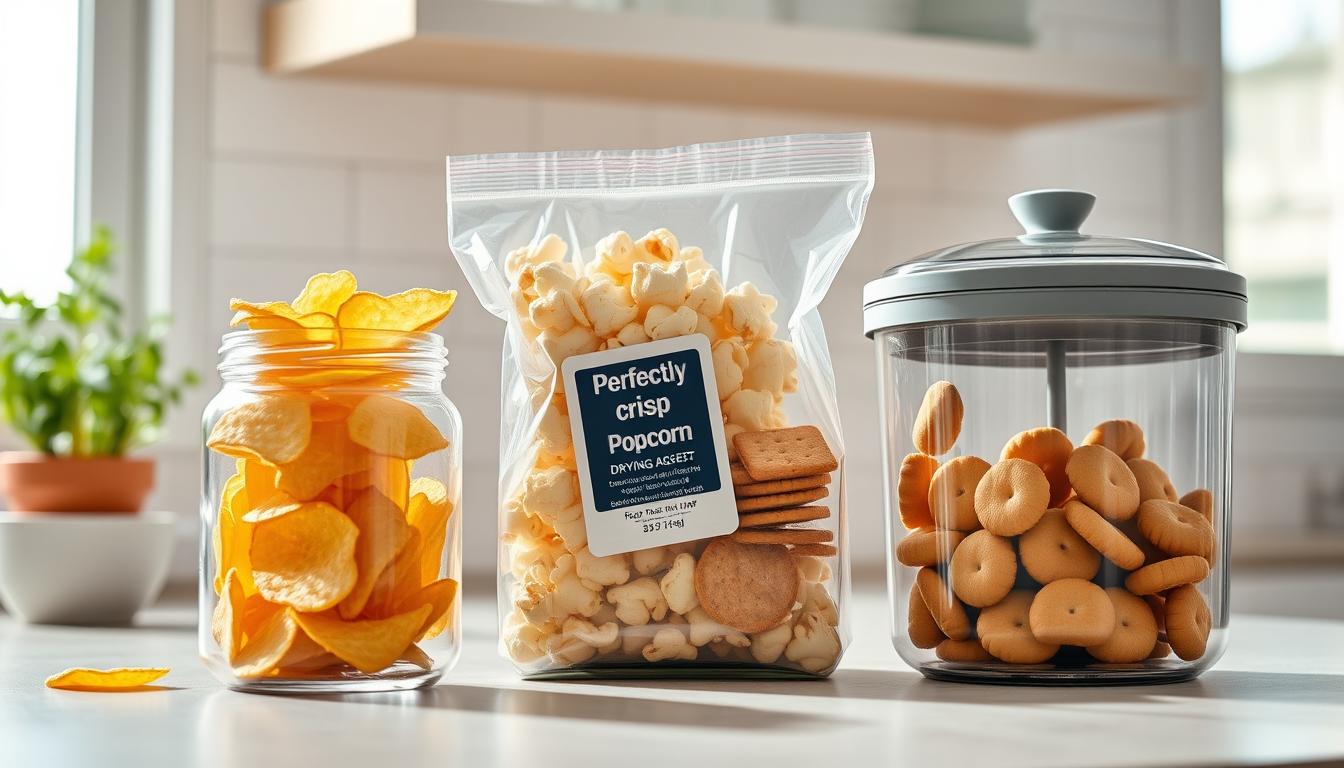
Prevent Soggy Chips strategies start with understanding moisture control and proper storage techniques that keep your favorite snacks crispy for weeks. Most home cooks struggle with opened chip bags and cracker packages that lose their satisfying crunch within days.
The science behind soggy snacks is simple – humid air contains water molecules that penetrate food packaging and break down the crispy structure. This process happens faster than most people realize, often within hours of opening a package.
This guide covers proven methods to maintain snack crispness using proper containers, moisture absorbers, and storage locations that actually work. You will learn why some techniques fail and which approaches deliver consistent results.
TL;DR
- Moisture from humid air breaks down crispy textures by hydrating starches and collapsing air pockets in snack foods.
- Airtight containers with rubber gasket seals provide better moisture protection than original packaging or basic plastic bags.
- Room temperature storage in dry locations works better than refrigeration, which actually increases moisture exposure.
- Silica gel packets actively remove moisture from sealed containers and can extend snack freshness by several weeks.
* As an Amazon Associate I earn from qualifying purchases at no extra cost to you.
Prevent Soggy Chips Through Proper Storage Science
Understanding why snacks lose their crunch helps you prevent the problem before it starts. Crispy foods contain microscopic air pockets and low moisture content that create their satisfying texture.
When water vapor from humid air enters these air pockets, it hydrates the starches and proteins, causing them to soften. This process accelerates in high-humidity environments like kitchens during cooking.

How Water Molecules Break Down Crispy Textures
Water molecules actively seek out the dry surfaces and air spaces that give snacks their crunch. Once water penetrates the food structure, it begins hydrating starches and breaking down protein networks.
This hydration process transforms crispy air pockets into soft, chewy textures. The change happens gradually at first, then accelerates as more moisture accumulates.
Environmental Factors That Accelerate Moisture Problems
Kitchen environments create perfect conditions for moisture absorption in opened snack packages. Steam from cooking, dishwashing, and even hot beverages introduces water vapor into the air.
Temperature fluctuations make the problem worse by creating condensation inside packages. Moving snacks between warm and cool areas forces humid air in and out of containers.
- Steam from cooking and hot water use
- Humidity from dishwashers and coffee makers
- Temperature changes that create condensation
- Open storage that allows air circulation
- Proximity to moisture-producing foods like fruits
Why Original Packaging Fails to Protect Snacks
Most snack packaging is designed for shelf stability before opening, not long-term storage after exposure to air. Chip bags and cracker boxes use materials that prioritize cost over moisture barrier performance.
Once you break the original seal, these packages offer minimal protection against humidity infiltration. The thin plastics and cardboard materials allow water vapor to pass through over time.
The Refrigerator Storage Mistake
Storing opened snacks in the refrigerator seems logical but actually accelerates moisture problems. Refrigerators maintain high humidity levels due to temperature cycling and food moisture.
Cold surfaces attract condensation when warm air enters during door openings. This condensation settles on snack packages and accelerates the softening process.
Common Storage Location Problems
Many popular snack storage locations create moisture problems without homeowners realizing it. Cabinets near dishwashers, stoves, or water heaters expose snacks to excess humidity.
Window-adjacent storage areas experience temperature fluctuations that create condensation cycles. Even small amounts of condensation can ruin entire containers of crispy snacks.
Airtight Container Selection and Setup
Effective moisture control requires containers that create complete barriers against outside air. The best containers feature rubber gasket seals that compress when lids close.
Container size matters as much as seal quality – choose containers that minimize air space around your snacks. Excess air provides more moisture for absorption.
Glass Container Advantages
Glass containers with clamp-down lids and rubber gaskets provide excellent moisture barriers. They do not absorb odors or flavors and allow you to monitor contents easily.
Mason jars work particularly well for nuts, crackers, and granola storage. The threaded lids create reliable seals when tightened properly.
Plastic Container Requirements
High-quality plastic containers need locking mechanisms and silicone gasket seals to provide adequate moisture protection. Look for containers specifically designed for food storage.
Avoid thin plastic containers that can develop micro-cracks over time. These tiny openings allow moisture infiltration that defeats your storage efforts completely.
- Rubber or silicone gasket seals
- Locking lid mechanisms
- Thick, durable construction
- Appropriate size for snack quantities
Using Desiccant Packets for Active Moisture Control
Silica gel packets provide active moisture removal by absorbing water vapor from the air inside sealed containers. Food-grade desiccant packets can extend snack freshness significantly.
These packets contain silicon dioxide beads that attract and hold water molecules through adsorption. One packet can remove substantial moisture from quart-sized containers.
Proper Desiccant Packet Usage
Use one food-grade silica gel packet per quart of container volume for optimal moisture control. Never allow loose gel beads to contact food directly.
Label containers with packet insertion dates and replace or reactivate packets when snacks begin softening. Most packets work effectively for 4-6 weeks in normal conditions.
Reactivating Silica Gel Packets
You can reactivate saturated silica gel packets by heating them in a 200°F oven for 1-2 hours. This drives out absorbed moisture and restores their effectiveness.
Allow reactivated packets to cool completely before returning them to food containers. Hot packets can damage packaging and affect food quality.
Testing Container Seal Effectiveness
Check if your storage containers provide adequate moisture protection with this simple test.
- Place a slice of bread in your sealed container overnight
- Check the bread texture after 24 hours
- Soft or moldy bread indicates poor moisture control
- Crisp bread confirms effective sealing
Optimal Storage Environments
Location choice affects snack freshness as much as container quality. The best storage areas maintain consistent temperatures and low humidity levels.
Pantry cabinets away from heat sources work better than kitchen counters or areas near appliances. Basement storage can be problematic due to higher humidity in many homes.
Temperature and Humidity Control
Consistent room temperature prevents condensation cycles that introduce moisture into containers. Avoid storage areas that experience temperature swings from heating, cooling, or sunlight.
Humidity levels below 50% provide optimal conditions for maintaining snack crispness. Use a hygrometer to monitor storage area humidity if you live in a humid climate.
Avoiding Moisture Sources
Keep snack storage away from dishwashers, coffee makers, and other appliances that produce steam. Even small amounts of additional moisture in the air accelerate snack softening.
Store snacks away from fresh fruits and vegetables that release moisture naturally. This separation prevents humidity buildup in storage areas.
Freezer Storage for Extended Freshness
Freezer storage offers exceptional moisture control for opened snack packages you want to preserve long-term. The extremely low humidity in freezers prevents moisture absorption completely.
Properly sealed snacks maintain their crispness in freezers for months without quality loss. This method works particularly well for expensive specialty snacks.
Proper Freezer Storage Technique
Double-bag snacks in freezer-grade bags or use airtight containers designed for low temperatures. Remove as much air as possible before sealing to prevent ice crystal formation.
Allow frozen snacks to return to room temperature before opening containers. This prevents condensation from forming when cold snacks meet warm, humid air.
Best Candidates for Freezer Storage
Most crispy snacks freeze well, including chips, crackers, nuts, and pretzels. Avoid freezing snacks with delicate coatings or chocolate that might be affected by temperature changes.
Portion large packages into smaller freezer containers to avoid repeated thawing cycles. Each time you open a frozen container, you expose contents to potential moisture.
Restoring Crispness to Softened Snacks
When prevention fails, several techniques can restore crispness to mildly softened snacks. Low-temperature heating removes absorbed moisture and revives texture.
The key is using gentle heat that drives out moisture without burning the snacks. High temperatures can create bitter flavors and destroy the food completely.
Oven Restoration Method
Preheat your oven to 250°F and spread softened snacks in a single layer on baking sheets. Heat for 5-10 minutes, checking every few minutes to prevent burning.
Listen for subtle crackling sounds that indicate moisture leaving the snacks. Remove when the crackling stops and allow complete cooling before storage.
Air Fryer Technique
Air fryers work faster than conventional ovens for small quantities of softened snacks. Use 275°F for 2-4 minutes depending on snack thickness and moisture level.
The circulating hot air removes moisture more efficiently than static oven heat. This method works especially well for thin chips and similar delicate snacks.
For more storage solutions that keep your pantry organized and foods fresh, check out our comprehensive guide on kitchen organization tips that covers efficient storage systems.
Learn additional food preservation techniques in our detailed article about food safety guidelines that covers proper storage temperatures and contamination prevention methods.
Container Materials and Performance Comparison
Different container materials offer distinct advantages for moisture control and snack preservation. Understanding these differences helps you choose containers that match your specific storage needs.
Glass provides the best moisture barrier properties but adds weight and breakage risk. Plastic offers convenience and durability but varies significantly in moisture protection quality.
Glass Container Benefits
Glass jars with rubber-sealed lids create nearly perfect moisture barriers that prevent air exchange. They resist odor absorption and allow easy monitoring of contents.
Wide-mouth mason jars work exceptionally well for storing nuts, crackers, and granola. The standard jar lid threading creates reliable seals when properly tightened.
Plastic Container Performance
High-quality plastic containers with gasket seals provide good moisture protection at lower cost and weight than glass. Look for thick-walled containers with silicone sealing rings.
Avoid thin plastic containers that flex when pressed – these indicate poor construction that may develop leaks. Quality plastic containers should feel rigid and substantial.
Metal Container Considerations
Metal containers block light completely and offer excellent durability for long-term storage. Ensure metal containers have properly fitted lids with rubber or foam sealing materials.
Decorative tins may not provide adequate moisture sealing despite attractive appearance. Test seal quality by storing bread overnight and checking texture changes.
Research from America’s Test Kitchen shows that proper container selection can extend snack freshness by up to 400% compared to original packaging storage.
Frequently Asked Questions
How quickly do chips absorb moisture and lose their crunch?
Chips can begin absorbing moisture within 15-30 minutes of exposure to humid air, with noticeable softening occurring within 2-4 hours depending on humidity levels and chip thickness.
Do regular plastic bags prevent chips from getting soggy?
Regular plastic bags provide minimal moisture protection compared to airtight containers with proper seals, though they work better than leaving packages completely open to air.
How much do silica gel packets help with snack storage?
Silica gel packets can extend snack freshness by 3-4 weeks when used in properly sealed containers by actively removing moisture from the storage environment.
Why does freezer storage work so well for keeping snacks crispy?
Freezers maintain extremely low humidity levels that completely prevent moisture absorption while the cold temperature slows chemical reactions that cause staleness and rancidity.
What oven temperature should I use to restore crispness to soft snacks?
Use 250°F in a conventional oven for 5-10 minutes or 275°F in an air fryer for 2-4 minutes, monitoring closely to prevent burning or over-browning.
Final Thoughts
Prevent Soggy Chips success depends on controlling moisture through proper container selection, storage location choice, and active moisture removal techniques. Understanding the science behind crispy snack preservation makes the difference between success and soggy disappointment.
Start with airtight containers that feature proper sealing mechanisms, add desiccant packets for active moisture control, and choose storage locations away from humidity sources. These proven methods will keep your favorite snacks crispy for weeks instead of hours.

With a passion for making good food easy, Ryan focuses on tips, tricks, and approachable advice for anyone who wants to eat well without spending hours in the kitchen. Whether you’re prepping lunchboxes, feeding a busy family, or just need something tasty in a pinch, Ryan’s here to help you keep it quick and simple—one bite at a time.