
Simple Snack Recipes For Beginners open up a world of cooking possibilities without the pressure of preparing full meals. Most new cooks feel overwhelmed by complex recipes with long ingredient lists.
Starting with snacks builds confidence and teaches fundamental techniques. These recipes use basic ingredients and simple methods that work every time.
You will discover how to create satisfying snacks that taste better than store-bought versions while learning skills that transfer to any recipe.
TL;DR
- Homemade snacks cost 60% less than packaged versions and contain no preservatives.
- Most beginner snacks need only 3-5 ingredients and take under 15 minutes to make.
- Basic knife skills learned from snack prep apply to all cooking techniques.
- Starting with no-cook options builds confidence before using heat-based methods.
Simple Snack Recipes For Beginners
Learning to cook through snacks removes the stress of meal planning and timing multiple dishes. You focus on one simple task at a time.
Snack recipes are forgiving – small mistakes rarely ruin the final result. This makes them perfect for practicing new techniques without fear.
Why Start With Snacks Instead of Full Meals
Full meals require coordination of multiple components, precise timing, and advanced planning. Snacks focus on single techniques and immediate results.
The quick success of finishing a snack recipe builds momentum. This positive experience motivates you to try more challenging projects.
Less Equipment Needed
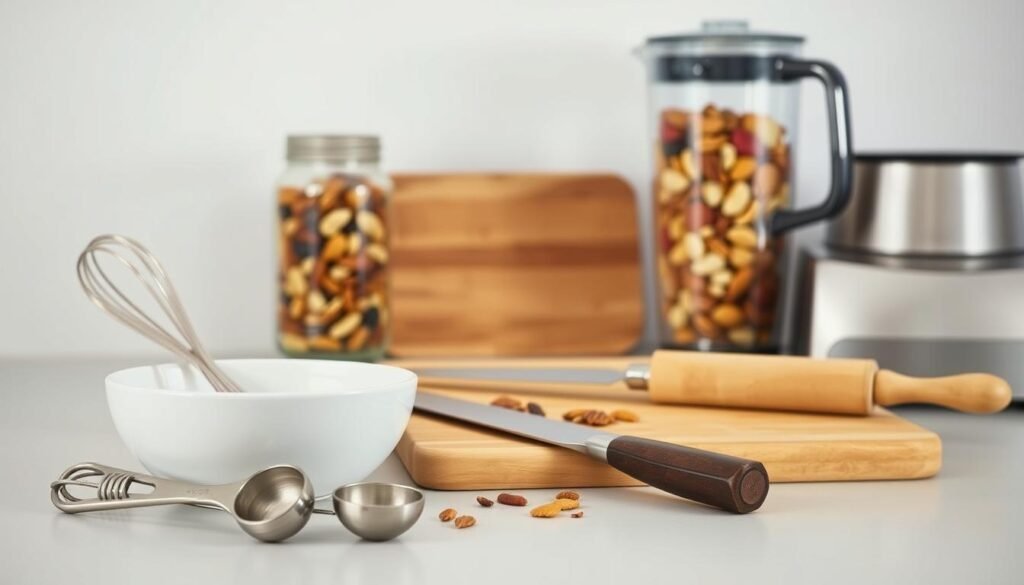
Most snack recipes work with basic tools you already own. A knife, cutting board, and mixing bowl handle dozens of recipes.
You can expand your equipment gradually as your skills grow. Start simple and add tools when specific recipes require them.
Immediate Feedback
Snacks provide instant results you can taste and adjust. This teaches you to recognize what works and what needs changing.
The short time commitment makes it easy to try variations. You learn faster through repeated practice with different approaches.
Essential No-Cook Snack Recipes
No-cook snacks teach ingredient selection, flavor pairing, and presentation without heat management. These recipes build confidence through guaranteed success.
Fresh ingredients shine in these preparations. You learn to identify quality produce and understand how flavors work together.
Fresh Fruit and Nut Energy Balls
Combine dates, nuts, and cocoa powder in a food processor until the mixture holds together. Roll into balls and chill for 30 minutes.
This recipe teaches texture balance and natural sweetening. Experiment with different nut combinations to find your preferences.
Vegetable Dips and Spreads
Mix Greek yogurt with herbs, lemon juice, and salt for an instant dip. Start with basic combinations before adding complex seasonings.
Learn to taste and adjust as you go. This develops your palate and teaches the importance of balancing flavors.
Simple Trail Mix
Combine nuts, dried fruit, and dark chocolate pieces in proportions you enjoy. Store in airtight containers for up to two weeks.
This teaches portion control and storage methods. Understanding how ingredients stay fresh helps with meal planning later.
How to Taste and Adjust Seasonings
Learning to taste and adjust flavors is the most important skill in cooking.
- Always taste before serving and after each adjustment you make.
- Add salt in small amounts – it enhances other flavors dramatically.
- Balance is key: sweet, salty, sour, and bitter elements should complement each other.
Basic Heat-Based Snack Techniques
Heat-based snacks introduce temperature control and timing. Start with methods that are hard to overcook or burn.
These techniques form the foundation for all cooking methods. Master them with snacks before applying them to full meals.
Roasting
Roast chickpeas at 400 degrees F for 20-25 minutes until crispy. Toss with olive oil and spices before cooking.
Roasting concentrates flavors and creates appealing textures. This dry-heat method works for vegetables, nuts, and proteins.
Pan Toasting
Toast nuts or seeds in a dry skillet over medium heat until fragrant. Stir frequently to prevent burning.
This technique teaches heat control and the importance of constant attention. You learn to recognize visual and aromatic cues for doneness.
Simple Melting
Melt chocolate for dipped fruit using low heat or a microwave in short intervals. Stir between heating periods.
Temperature control prevents seizing and burning. These gentle heating methods apply to many delicate ingredients.
Building Flavor Combinations
Understanding how flavors work together transforms basic ingredients into exciting snacks. Start with classic combinations before experimenting.
Sweet and salty pairings like apples with cheese teach balance. Complementary flavors create more satisfying results than competing ones.
| Base Ingredient | Flavor Pairing | Why It Works |
|---|---|---|
| Apple slices | Peanut butter | Sweet fruit balances rich, salty spread |
| Dark chocolate | Sea salt | Salt enhances chocolate’s complexity |
| Greek yogurt | Honey and berries | Tangy yogurt needs sweetness and texture |
| Crackers | Cheese and herbs | Neutral base carries bold flavors |
Start with these proven combinations and gradually modify them. Small changes teach you how each ingredient affects the overall taste.
Many beginner cooks appreciate learning about meal prep basics to apply these snack techniques to larger cooking projects.
Storage and Food Safety
Proper storage keeps snacks fresh and safe to eat. Learn basic food safety principles that apply to all cooking.
Room temperature, refrigerated, and frozen storage each serve different purposes. Understanding these principles prevents waste and illness.
Room Temperature Storage
Nuts, dried fruits, and crackers stay fresh in airtight containers at room temperature. Keep them away from heat and light.
Check expiration dates regularly and rotate stock to use older items first. This prevents food waste and ensures quality.
Refrigerated Items
Fresh fruits, vegetables, dairy-based dips, and prepared snacks need refrigeration. Use them within 3-5 days for best quality.
Store items in appropriate containers to prevent cross-contamination. Glass containers work well for most prepared snacks.
Common Beginner Mistakes
New cooks often overthink simple recipes or skip important steps. Understanding these common errors helps you avoid them.
Most mistakes come from impatience or trying to rush the process. Taking time with each step produces better results.
Over-Seasoning
Adding too much salt, spice, or acid at once ruins the balance. Start with small amounts and build up gradually.
Remember that you can always add more, but removing excess seasoning is nearly impossible. Taste frequently as you adjust.
Ignoring Texture
Good snacks balance different textures – creamy with crunchy, soft with firm. Plan these contrasts when choosing ingredients.
Texture affects satisfaction as much as flavor does. Variety keeps snacks interesting and prevents boredom.
Poor Ingredient Quality
Simple recipes rely on ingredient quality since there are fewer components to hide flaws. Choose the best ingredients you can afford.
Fresh herbs, good olive oil, and ripe produce make dramatic differences in final results. Your snacks will taste noticeably better.
Understanding budget-friendly meal planning strategies helps you buy quality ingredients without overspending.
Scaling Recipes Up and Down
Learning to adjust recipe quantities teaches mathematical thinking and proportion understanding. These skills apply to all cooking.
Start by doubling or halving simple recipes. More complex scaling ratios come naturally with practice.
Doubling Recipes
Most snack recipes double easily by multiplying all ingredients by two. Cooking times may need slight adjustments.
Check seasoning levels when doubling – you may need slightly less salt per serving in larger batches. Taste and adjust accordingly.
Making Single Portions
Dividing recipes by half or quarters creates single servings. This prevents waste and teaches portion control.
Individual portions work well for testing new flavor combinations. Make small amounts until you perfect the recipe.
Frequently Asked Questions
What kitchen tools do I need to start making snacks?
A sharp knife, cutting board, mixing bowls, measuring cups, and a baking sheet handle most snack recipes. Add tools gradually as your skills develop.
How long do homemade snacks stay fresh?
No-cook snacks with fresh ingredients last 2-3 days refrigerated, while baked items stay fresh 3-5 days in airtight containers at room temperature.
Can I substitute ingredients in snack recipes?
Simple substitutions work well – swap similar nuts, use different spices, or change fruits. Avoid major changes until you understand how each ingredient functions.
How do I know if my snack recipe turned out correctly?
Trust your senses – snacks should taste balanced, have good texture, and look appealing. If something seems off, adjust seasonings or cooking time next attempt.
Final Thoughts
Simple Snack Recipes For Beginners provide the perfect introduction to cooking without overwhelming complexity or high stakes. Each successful snack builds confidence and teaches transferable skills.
Start with no-cook options to master flavor combinations, then progress to basic heating techniques. Practice makes these methods feel natural and automatic.
The skills you develop making snacks – knife work, seasoning, timing, and temperature control – form the foundation for all cooking adventures ahead.