
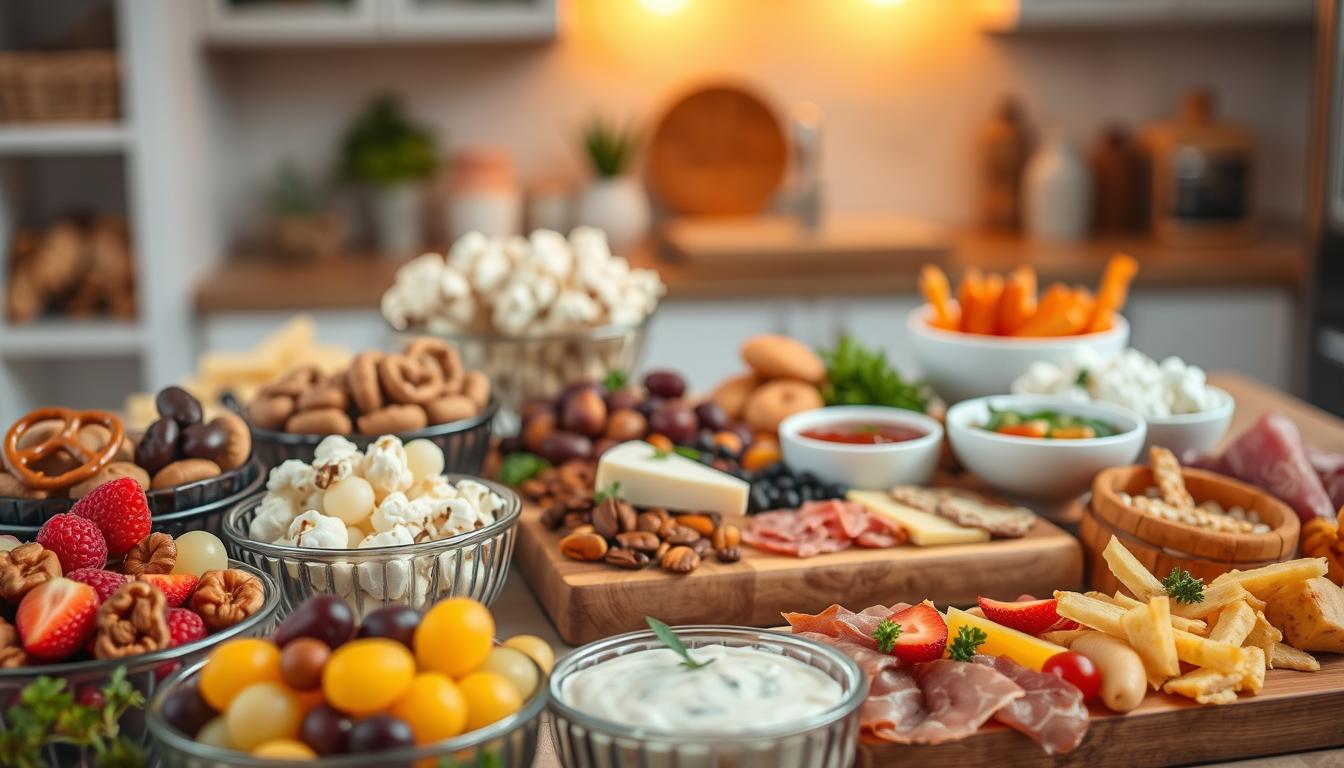
Making snacks that taste great is an art. It’s all about balancing sweet, salty, and savory flavors. Great snack makers mix these to create something amazing that people love.
Flavor balancing is both science and art. Our taste buds pick up on five main flavors: sweet, salty, sour, bitter, and umami. When these flavors work together, snacks feel complete and satisfying.
Now, mixing sweet and savory flavors is big in snacks. Think chocolate with sea salt or nuts with honey. Brands like Trader Joe’s and Frito-Lay have hit it big with this mix. It adds depth and makes snacks more exciting.
Learning to balance flavors lets you make snacks that taste like they’re from a pro kitchen. You don’t need fancy tools or rare ingredients. Just know how flavors work together and practice until it feels right.
This article will teach you about flavor balance. You’ll learn about the five taste elements and how they mix. We’ll look at popular flavor combos and ways to make balanced snacks at home. Your snacks will taste as good as store-bought ones.
Understanding the Five Fundamental Taste Elements
Your taste buds recognize five distinct flavors. These flavors work together to make every snack enjoyable. Each taste element is key to flavor balancing in food.
Think of these tastes as tools in a toolbox. A skilled snack maker uses each tool at the right time. This creates delicious snacks. Learning to balance these flavors takes practice, but it’s worth it.
The Role of Sweetness in Flavor Balance
Sweetness comes from sugar, honey, maple syrup, and fruits. It does more than just make things taste sweet. Sweetness reduces the strength of bitter, sour, and salty flavors.
Professional snack makers know sweetness serves multiple purposes:
- Masks unpleasant bitter tastes
- Softens overly salty flavors
- Reduces the heat from spicy ingredients
- Creates more complex flavor experiences
- Makes snacks more enjoyable to eat
Consider caramel corn or honey-roasted nuts. Both use sweetness to enhance the snacking experience. A pinch of honey in savory snacks brings balance. The sweetness doesn’t overpower the savory notes—it complements them instead.
How Saltiness Enhances and Counteracts Other Flavors
Salt does two important jobs in snacks. First, it fights bitterness. Second, it makes other flavors pop. Many people think salt only adds saltiness, but that’s not true.
Salt works as a flavor amplifier. Small amounts of salt make sweetness taste sweeter. This is why salted caramel works so well. The salt doesn’t make the snack taste salty—it makes the caramel taste richer and more complex.
| Flavor Element | What Salt Does | Real-World Example |
|---|---|---|
| Sweetness | Makes it taste sweeter and deeper | Salted chocolate chip cookies |
| Bitterness | Reduces harsh bitter notes | Salted dark chocolate |
| Sour | Balances acidic flavors | Salted lime chips |
| Savory | Enhances depth and satisfaction | Salted nuts and seeds |
| Umami | Strengthens savory satisfaction | Salted seaweed snacks |
Even a small amount of salt transforms boring snacks into memorable treats. Chefs understand that salt is like vanilla extract—it’s an invisible ingredient that brings everything together.
The Importance of Umami in Savory Snacks
Umami means “pleasant savory taste” in Japanese. This fifth taste element comes from ingredients like soy sauce, parmesan cheese, mushrooms, oysters, and fermented foods. Umami flavor profiles create a mouth-filling sensation that makes snacks feel more satisfying.
Umami works differently than the other four tastes. It doesn’t overpower. Instead, it adds depth and complexity. This taste element makes savory snacks feel premium and sophisticated. Many popular snacks rely on umami to become crave-worthy.
Sources of umami include:
- Soy sauce and tamari
- Parmesan and aged cheeses
- Mushroom powder
- Bonito flakes
- Tomato paste
- Miso paste
- Nutritional yeast
Understanding umami flavor profiles helps you create snacks with real taste harmony in food. A sprinkle of parmesan powder on popcorn adds umami depth. Mushroom powder in savory snack mixes brings savory richness. These small additions make snacks taste restaurant-quality.
The five taste elements work together like an orchestra. When each plays at the right volume, the result is beautiful. Sweetness, saltiness, sourness, bitterness, and umami create the foundation for all great snacks. Master these elements, and you master snack making.
Classic Sweet and Salty Combinations That Work
The best sweet and salty snack combinations are loved by many. They balance flavors, keeping your taste buds excited. Salt makes sweet things taste even sweeter, adding depth to treats.
Salted caramel is a top choice for sweet and salty snacks. It mixes buttery caramel with sea salt for a unique taste. Salt also makes chocolate taste better by hiding bitter notes.
- Chocolate chip cookies with sea salt crystals on top
- Peanut butter cookies where roasted peanut flavor provides savory balance
- Chocolate-covered pretzels combining crispy and smooth textures
- Trail mix blending chocolate, nuts, and dried fruit
- Kettle corn delivering both sweet and salty notes in every bite
- Salted caramel chocolates and brownies
| Snack Combination | Sweet Element | Salty/Savory Element | Why It Works |
|---|---|---|---|
| Chocolate-Covered Pretzels | Smooth chocolate coating | Crispy, salty pretzel base | Textural contrast enhances chocolate intensity |
| Peanut Butter Cookies | Sugar sweetness | Roasted peanut savory notes | Natural peanut richness balances added sugar |
| Salted Caramel | Deep caramel sweetness | Sea salt flakes | Salt heightens sweetness perception |
| Trail Mix | Chocolate pieces, dried fruit | Nuts, seeds | Multiple flavors prevent palate fatigue |
| Kettle Corn | Sugar coating | Popcorn saltiness | Both flavors present in every kernel |
Contrast is key in snack pairings. Salt doesn’t just add flavor; it makes chocolate taste richer. It stops cookies from being too sweet.
These classic combinations have stood the test of time. They keep your taste buds interested. Whether you buy snacks or make your own, mixing sweet and salty is a winning strategy.
How to Balance Sweet, Salty, and Savory Flavors in Snacks
To make snacks that taste great, you need to know how flavors work together. Learning about flavor balancing and practicing helps you make snacks people love. This part will show you how to mix sweet, salty, and savory flavors in your snacks.
Flavor Balancing as a Science
Flavor balancing has its own rules. Sweetness can balance bitter and sour tastes. It also makes spicy foods feel less hot. Salt can make sweet and umami flavors stronger in your snacks.
Ingredients can have different tastes. Soy sauce can be saltier than another brand. Honey can be mild or strong. Start with a base flavor and add small amounts of other flavors.
The Art of Tasting and Adjusting
No recipe is perfect because ingredients vary. You must taste your snack as you make it. Good tasting means using special techniques to keep your taste buds sharp.
Here are some tips for tasting:
- Take small samples to avoid flavor saturation on your palate
- Cleanse your palate between tastings using water or plain crackers
- Wait a moment after tasting to allow flavors to fully develop
- Keep detailed notes on adjustments for future batches
- Avoid tasting too frequently, which dulls your taste sensitivity
This careful tasting helps you find the right balance in your snacks.
Using Contrasting Flavors to Create Harmony
Using contrasting flavors makes snacks interesting. When you mix different tastes, your snack becomes complex. This keeps your taste buds excited.
Here are some common contrast pairings:
| Flavor Pairing | How It Works | Example Snacks |
|---|---|---|
| Sweet with Salty | Salt enhances sweetness while sweetness balances salt’s intensity | Salted caramel popcorn, honey-roasted nuts |
| Sweet with Spicy | Sweetness reduces heat perception and cools the palate | Spicy-honey mixed nuts, chili-chocolate clusters |
| Rich with Acidic | Acidity cuts through richness and adds brightness | Candied lemon granola, citrus-glazed crackers |
| Umami with Sweet | Umami adds savory depth that makes sweetness feel more sophisticated | Miso caramel bites, soy-glazed snack mix |
The secret to great flavor balancing is to make sure no flavor is too strong. Each flavor should support the others. By mixing different tastes, you create snacks that are both rich and balanced.
Modern Sweet-Savory Innovations and Global Flavor Trends
Today’s snack market loves bold new flavors. People want snacks that mix different tastes and cultures. Brands are using global flavors to make snacks that taste complex.
Sweet Heat and Spicy Flavor Combinations
The “swicy” trend is big now. It mixes sweet and spicy flavors. Sweetness cools down the heat, and spice keeps it interesting.
Some popular sweet heat snacks are:
- Dark chocolate with chili or cayenne pepper
- Chocolate with smoky ancho or chipotle peppers
- Honey-sriracha glazed nuts and snack mixes
- Hot honey granola clusters
- Mango-habanero caramel treats
Dark chocolate adds a deep taste when mixed with heat. Smoky peppers add warmth without too much sweetness. Honey-sriracha mixes add a complex flavor.
Asian-Inspired Umami Snack Profiles
Asian snacks are known for their umami flavors. Furikake mixes nuts, cereal, or crackers with sweeteners and furikake seasoning. This Japanese mix adds savory depth.
Other Asian snacks include:
- Miso caramel and miso cookies—fermented soybean paste adds richness
- Black garlic chocolate—aged garlic adds sweet-savory flavor
- Sesame honey clusters—sesame’s nuttiness pairs well with honey
- Soy sauce caramel—umami replaces or enhances salt
Mangonada snacks mix mango, chili, lime, and chamoy. These snacks show that sweet and salty can be great with umami. Fermented ingredients like miso and soy sauce make snacks more interesting.
Practical Techniques for Creating Balanced Snacks at Home
Making snacks at home needs knowing how to mix flavors. Unlike savory meals, snacks need the right mix from the start. You want to balance sweet, salty, and savory without one flavor taking over.
Learning how to season snacks makes them taste like they came from a store. Remember, salt makes sweetness better, not worse. This helps you know how much salt to add.
Cookie and Baked Goods Techniques
Cookies are great for learning about flavor mixes. For sweet-savory cookies, like sea salt chocolate chip, add salt to the dough. Use 1/2 to 3/4 teaspoon of salt per batch. Then, sprinkle flaky sea salt on top for texture.
For savory touches, like miso paste or fresh herbs, use these amounts:
- Miso paste: 1 to 2 tablespoons per batch
- Fresh rosemary: 1 to 2 teaspoons, finely chopped
- Chili powder: Start with 1/4 teaspoon and increase slowly
For balanced cookies, taste the dough before baking. This lets you adjust flavors while you can.
Granola and Cereal Blending
Granola needs sweet and savory parts. When making maple bacon or hot honey almond granola, add salt to the wet mix. Use 1/2 to 1 teaspoon of salt per 4 cups of dry ingredients.
For deeper flavors, add:
- Soy sauce: 1 to 2 tablespoons for umami depth
- Nutritional yeast: 2 to 3 tablespoons for savory richness
- Sesame seeds: 2 to 3 tablespoons for nutty flavor
Snack Mix and Layering Strategy
Snack mixes get better with layering flavors. Mix sweet like dried mango with spicy and savory like nuts and seeds. This adds texture and keeps flavors balanced.
For glazes, mix honey or maple syrup with soy sauce and sesame oil. This method coats each piece evenly without one flavor being too strong.
Chocolate and Confection Methods
Working with chocolate needs careful attention to flavor ratios. Tempering chocolate ensures toppings like sea salt and chili stick right.
| Confection Type | Sweet Component | Savory/Salty Addition | Amount per 8 oz Chocolate |
|---|---|---|---|
| Chili Dark Chocolate Bars | Dark chocolate base | Cayenne pepper | 1/4 teaspoon (start conservatively) |
| Sea Salt Caramel Truffles | Caramel filling | Flaky sea salt finish | Pinch on each truffle |
| Mango Chili Chocolate Bark | White or milk chocolate | Dried mango + chili powder | 1/8 to 1/4 teaspoon chili |
| Peanut Butter Pretzel Clusters | Peanut butter + chocolate | Pretzels + finishing salt | Small pinch of sea salt |
Always taste chocolate mixtures before cooling. This stops over-salting, which can’t be fixed once it sets.
Common Mistakes to Avoid
Home snack makers often face common challenges. The biggest mistake is over-salting, which ruins the batch. Under-seasoning makes snacks taste flat.
Keep notes on what works for your snacks. High-quality chocolate, fresh spices, and premium salt make a big difference. Remember, flavors get stronger as they cook and store, so think about how they’ll change.
Conclusion
Learning to mix tastes in food is easy with practice. You’ve seen how five basic tastes make snacks special. The secret is mixing sweet, salty, and savory flavors for a memorable taste.
You can now use science and your taste to make better snacks at home. This doesn’t need special training or fancy tools. Start with flavors you like, then try new ones in small amounts.
Keep track of what tastes good and what doesn’t. Salt makes sweet flavors better and balances strong tastes. Trust your taste and adjust flavors to your liking. Try new ingredients to get creative.
Every good food maker started with simple ideas and got better by tasting and improving. You now know about flavor mixing, classic pairings, and new trends. Making snacks with balance is a journey, not a goal. Use what you’ve learned to make snacks that are both balanced and delicious. Start making snacks today and see your skills grow.
FAQ
Why is balancing sweet, salty, and savory flavors important in snack creation?
Balancing these flavors is key because it stops snacks from being too one-sided. Sweet, salty, and savory together make snacks more interesting. This mix makes snacks that are memorable and taste complex.
What are the five fundamental taste elements?
The five basic tastes are sweetness, saltiness, sourness, bitterness, and umami. Sweetness comes from things like sugar. Salt makes other flavors pop. Sourness adds a tangy feel. Bitterness needs sweetness or salt to balance it.
Umami, found in foods like soy sauce, adds depth. Knowing how these tastes work together is the first step to making snacks with great flavor.
How does salt enhance sweetness in snacks?
Salt makes sweet flavors taste even sweeter. It does this by making bitter tastes less noticeable. This is why salted caramel is so good—it makes the caramel taste richer.
Even a little salt in chocolate chip cookies can make them taste sweeter. Salt is a key ingredient in making snacks taste balanced.
What is umami and why is it important in savory snacks?
Umami is a savory taste that makes snacks more satisfying. It comes from foods like soy sauce and mushrooms. Umami adds depth to savory snacks.
When used right, umami makes snacks taste more complex. This is why it’s great for creating sophisticated savory snacks.
Why is salted caramel considered the quintessential sweet and salty snack combination?
Salted caramel is loved because it perfectly blends sweet and salty. The salt makes the caramel taste sweeter. This balance is why it works so well in many snacks.
It shows how combining sweet and salty can create something amazing. This is a key example of how flavors can work together.
How does salt improve chocolate chip cookies?
Salt makes chocolate taste more intense in cookies. It balances out the bitterness of chocolate. This makes the cookies taste more complex.
Recipes often use a little salt in the dough and more on top. This technique makes good cookies great.
What are classic examples of sweet and salty snack combinations?
Classic examples include salted caramel, chocolate chip cookies with sea salt, and peanut butter snacks. These combinations work because they offer a mix of flavors. This keeps the taste interesting.
Trail mix, chocolate-covered pretzels, and kettle corn are also great. They show how different flavors can come together well.
What is the scientific basis for flavor balancing in snacks?
Flavor balancing is based on how different tastes work together. Sweetness can balance out bitterness and sourness. Salt enhances sweet and umami flavors.
Understanding these interactions helps make snacks that taste good every time. It’s all about knowing how to mix flavors.
Why is tasting and adjusting essential throughout snack preparation?
Recipes can’t always get it right because ingredients vary. Tasting as you go lets you adjust flavors based on what you’re using. It’s important to keep tasting and adjusting.
This process is key to making snacks that taste great. It’s the art of snack making that goes with the science.
How do contrasting flavors create balance and prevent palate fatigue?
Contrasting flavors add complexity and prevent snacks from being too one-sided. Sweet and salty, or sweet and spicy, work well together. They keep your taste buds interested.
These contrasts prevent your taste buds from getting tired. It’s all about finding the right balance.
What are “swicy” snacks and why are they popular?
“Swicy” snacks combine sweetness with heat. This creates a dynamic taste experience. Dark chocolate with chili or cayenne is a great example.
Chocolate with smoky peppers, honey-sriracha glazed nuts, and mango-habanero caramel are also popular. They show how sweet and spicy can work together.
How does miso contribute to snack flavor balancing?
Miso adds savory depth to sweet snacks. It makes them more interesting. Miso caramel and miso cookies are great examples.
Miso adds a unique flavor that enhances sweetness. It’s a key ingredient for balancing flavors.
What is furikake and how is it used in modern snacks?
Furikake is a Japanese seasoning blend. It’s used in snack mixes to add umami flavor. This creates complex sweet and salty combinations.
Furikake-coated nuts, granola, or popcorn are great examples. It shows how global ingredients can add depth to snacks.
What seasoning ratios should I use when balancing salt in sweet snacks?
Start with 1/4 to 1/2 teaspoon of flaky sea salt per cup of sweet mixture. For cookies, add 1/2 to 3/4 teaspoon of salt to the dough. Finish with flaky sea salt on top.
For granola and cereal, add 1/2 to 1 teaspoon of salt to the wet mixture before baking. Start with 1/4 teaspoon of spice per 8 ounces of chocolate. Remember, you can always add more salt, but you can’t take it away.
How should I incorporate savory elements like herbs and spices into sweet snacks?
Start with small amounts of herbs and spices and taste often. For rosemary in cookies, use 1-2 teaspoons of fresh, finely chopped herb per batch. For chili powder or cayenne, begin with 1/4 teaspoon and adjust upward based on your palate preferences and the heat level desired.
When incorporating miso paste, use 1-2 tablespoons per batch of cookies to add umami depth without overwhelming sweetness. When adding soy sauce to snack mixes, use 1-2 tablespoons, and for nutritional yeast, use 2-3 tablespoons per 4 cups of dry ingredients. The key is ensuring that savory additions balance sweetness.
What common mistakes should I avoid when balancing snack flavors?
Avoid over-salting, as it can’t be fixed. Don’t under-season, as it makes snacks taste incomplete. Also, don’t assume recipes will work perfectly with your ingredients.
Remember, tasting and adjusting are key. Don’t skip this step. And always use high-quality ingredients for the best results.

With a passion for making good food easy, Ryan focuses on tips, tricks, and approachable advice for anyone who wants to eat well without spending hours in the kitchen. Whether you’re prepping lunchboxes, feeding a busy family, or just need something tasty in a pinch, Ryan’s here to help you keep it quick and simple—one bite at a time.