Simple Snack Flavor Hacks Without Extra Ingredients start with techniques you already know but might not use effectively. Most home cooks think better snacks require buying new seasonings or expensive ingredients.
The truth is simpler – temperature control, timing, and presentation can transform ordinary snacks into something special. These methods work with what you have at home right now.
By the end you will know how to make any snack taste better using only heat, timing, and smart preparation techniques.
TL;DR
- Heat activates the Maillard reaction, creating new flavors without adding ingredients.
- Air frying at 375°F for 8-12 minutes makes snacks crispy using only hot air circulation.
- Seasoning immediately after cooking helps spices stick 3x better than waiting.
- Smaller portions served on clean plates taste better due to visual perception effects.
Simple Snack Flavor Hacks Without Extra Ingredients
The science behind better snack flavors lies in understanding how heat transforms food at the molecular level. When you apply the right temperature to existing ingredients, two important reactions occur that create deeper, more complex tastes.
The Maillard reaction happens when proteins and natural sugars combine under heat, developing savory and toasted notes. Caramelization occurs when natural sugars break down, creating rich brown flavors and aromas.
Temperature Control Methods
Different heat levels unlock specific flavor compounds in your snacks. Low temperatures around 275-300°F concentrate flavors by removing moisture slowly.
Higher temperatures between 375-425°F create crispy textures and activate browning reactions quickly. The key is matching the right temperature to your snack type.
| Method | Temperature | Time | Best For |
|---|---|---|---|
| Air Frying | 375°F | 8-12 minutes | Chips, nuts, reheating |
| Oven Toasting | 350°F | 10-15 minutes | Bread, crackers, seeds |
| Low Roasting | 275°F | 20-30 minutes | Large batches, gentle heating |
Air Frying for Maximum Crispiness
Air fryers circulate hot air rapidly around food, removing surface moisture while heating the interior. This creates the perfect crispy-outside, tender-inside texture that makes snacks more satisfying.
The rapid air circulation also concentrates flavors by evaporating water content. Your snacks taste more intense without adding any new ingredients.
Best Air Frying Practices
Arrange snacks in a single layer to ensure even air circulation. Overcrowding prevents proper crisping and creates uneven results.
Shake the basket halfway through cooking to rotate pieces for uniform browning. Look for golden-brown color as your visual cue for doneness.
- Preheat for 3 minutes – ensures immediate crisping when food hits the basket
- Use light oil spray – helps achieve restaurant-quality browning with minimal fat
- Check every 3-4 minutes – prevents overcooking and maintains optimal texture
Timing Your Seasoning Application
When you add seasonings matters more than what you add. Heat and natural oils from cooking help spices adhere better and distribute more evenly.
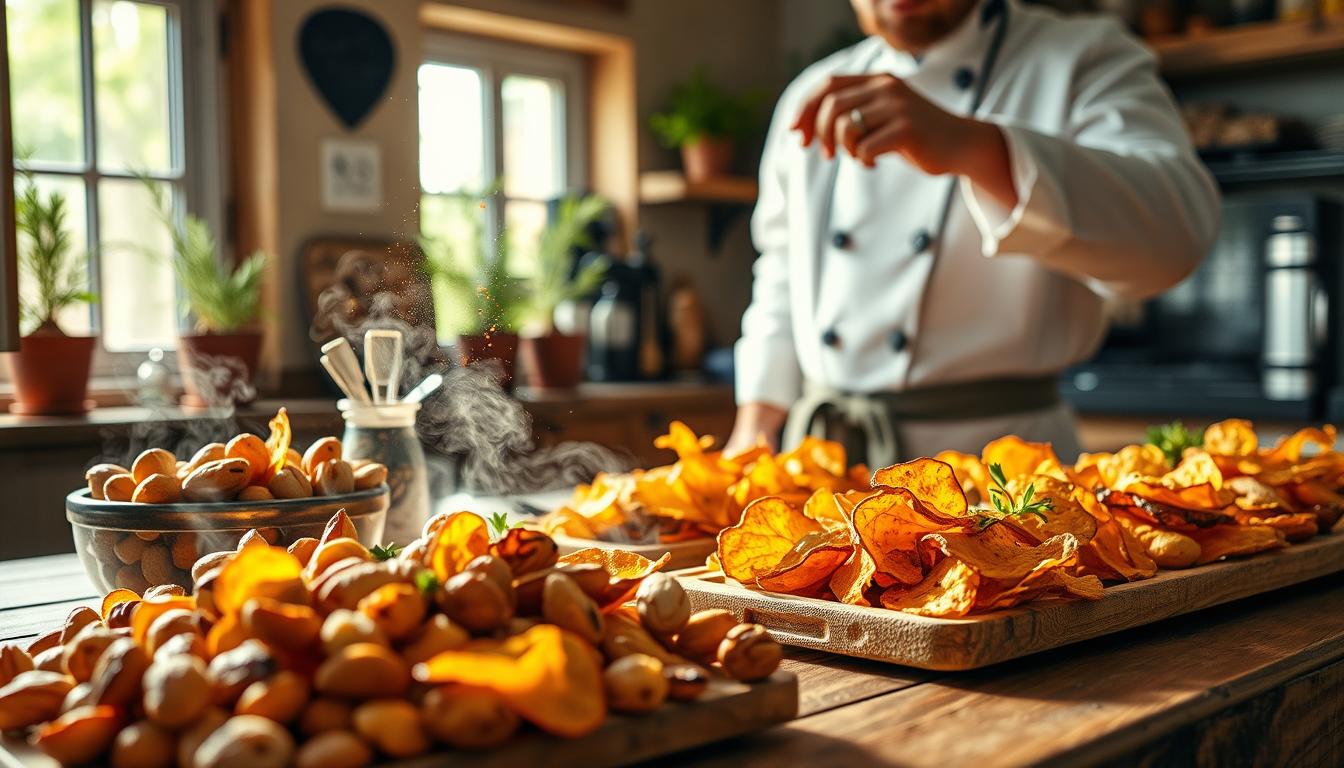
Season snacks immediately after they come out of the oven or air fryer while they are still hot. The residual heat activates spice oils and creates better flavor penetration.
How to Season Hot Snacks Properly
Apply seasonings while snacks are still steaming from the cooking process for maximum adhesion.
- Toss warm nuts with herbs immediately after roasting
- Sprinkle salt on hot popcorn while kernels are still popping
- Add grated cheese to warm crackers so it melts slightly
Visual Cues for Perfect Timing
Watch for steam rising from your snacks as the ideal seasoning moment. The moisture helps spices stick without adding extra liquid.
If snacks have cooled, lightly mist them with water before seasoning to recreate that adhesive surface. This technique works especially well for chips and crackers.
Presentation Techniques That Enhance Flavor
How you arrange and serve snacks affects how they taste to your brain. Clean presentation and proper portioning make the same ingredients seem more flavorful and satisfying.
Use smaller bowls and plates to make portions appear more generous. This visual trick enhances the eating experience without changing the actual food.
Color and Visual Contrast
Arrange snacks to create visual interest through color combinations. Pair golden nuts with green herbs or white cheese with colorful fruit.
Clean plate edges and remove any smudges before serving. These small details signal quality and prime your brain for better flavors.
- Group by color. Create visual sections on your serving plate using natural food colors.
- Add height variation. Stack or layer items instead of laying everything flat.
- Use garnishes from existing ingredients. Fresh herbs or grated cheese already in your snack work perfectly.
Smart Ingredient Pairing
Combine existing pantry items to create flavor synergy where ingredients enhance each other. Sweet and salty combinations prevent palate fatigue and keep snacks interesting.
Mix textures like creamy with crunchy or soft with crispy to create more engaging eating experiences. This approach uses what you have to create restaurant-quality results.
Two-Ingredient Combinations That Work
Start with simple pairings that demonstrate how existing ingredients can enhance each other. These combinations require no special shopping or preparation.
Focus on contrasting flavors and complementary textures to create memorable snack experiences from ordinary ingredients.
- Parmesan and black pepper – umami meets heat for savory depth
- Honey and sea salt – sweetness enhanced by mineral complexity
- Lemon zest and olive oil – brightness cuts through richness perfectly
- Cinnamon and butter – warm spice amplified by fat for comfort flavors
Temperature Serving Strategies
Serve snacks at their optimal temperature for maximum flavor impact. Warm snacks release more aroma compounds, while room temperature items maintain better texture.
Reheating stale snacks can restore their original appeal. A quick 5-minute session in a 300°F oven revives chips and crackers effectively.
Keeping Snacks at Peak Quality
Understanding temperature effects helps you serve snacks when they taste best. Some items improve with warmth while others are better at room temperature.
Plan your preparation timing so snacks reach the table at their ideal serving temperature. This simple strategy maximizes flavor without any additional ingredients.
Frequently Asked Questions
How does air frying improve snack texture without oil?
Air fryers use rapid hot air circulation to remove surface moisture and create crispiness. The intense heat activates browning reactions that develop flavor while the moving air prevents sogginess.
When should I season snacks for best results?
Season snacks immediately after cooking while they are still hot and steaming. The residual heat and natural moisture help seasonings adhere better and distribute more evenly.
Can reheating stale snacks make them taste fresh again?
Yes, gentle reheating at 300°F for 5-10 minutes can restore crispiness and activate flavors in stale snacks. This method works especially well for chips, crackers, and nuts.
Why do smaller portions make snacks taste better?
Smaller portions maintain optimal temperature and texture longer, and they appear more generous visually. This combination enhances satisfaction and prevents palate fatigue from eating the same flavor repeatedly.
Final Thoughts
Simple Snack Flavor Hacks Without Extra Ingredients prove that better taste comes from technique, not shopping lists. These methods work with any snacks you already have at home.
Start with one technique this week and notice the difference in your snacks. Master temperature control first, then experiment with timing and presentation methods.
