
| DifficultyEasy | Total TimeN/A | Prep TimeN/A | Cook TimeN/A |
| ServesN/A | Cost Per ServingN/A | CaloriesN/A | Recipe TypeGuide |
This Beginner Cooking Problems guide tackles the most common challenges new cooks face in the kitchen. Starting a cooking journey can feel overwhelming, but with the right approach and mindset, anyone can build confidence and skills.
Many beginner cooks struggle with meal planning, following recipes, and understanding basic techniques. This comprehensive guide provides practical solutions and step-by-step advice to help you overcome kitchen anxiety and become a more confident cook.
Why You’ll Love This Guide
- Practical Solutions – Real fixes for common cooking mistakes and kitchen disasters.
- Budget-Friendly Tips – Learn which tools are essential and which expensive gadgets to skip.
- Confidence Building – Step-by-step approach to overcoming kitchen anxiety and cooking fears.
- Essential Skills – Master heat control, knife skills, and timing to improve every dish you make.
- Time-Saving Strategies – Meal planning and prep techniques that make cooking more efficient.
Beginner Cooking Problems: Where to Start
Kitchen anxiety affects most new cooks, but practice and patience can transform your cooking experience. The key is understanding that cooking is a learnable skill that improves with time and repetition.
Essential Kitchen Tools for Beginners
The right kitchen tools make cooking feel less intimidating and more enjoyable. You don’t need expensive equipment to start – focus on quality basics that will serve you well.
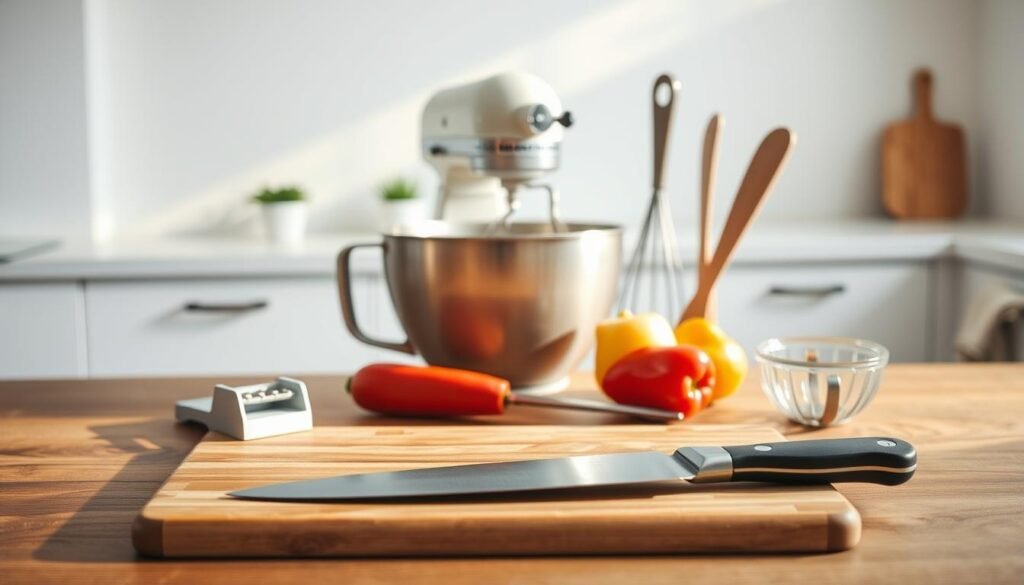
The NEAT Method Kitchen recommends starting with just four essential tools: a stovetop, cutting board, sharp knife, and iron skillet. These cover most basic cooking needs without overwhelming your budget or kitchen space.
Must-Have Kitchen Tools
- Sharp chef’s knife – essential for all prep work
- Cutting board – wooden or plastic for food safety
- Cast iron or stainless steel skillet – versatile for many cooking methods
- Medium saucepan with lid – for boiling, simmering, and steaming
- Large pot – for pasta, soups, and batch cooking
- Wooden spoon and spatula – for stirring and flipping
- Measuring cups and spoons – for recipe accuracy
- Can opener – for pantry staples
Budget-Friendly Alternatives
- Buy multi-functional tools that serve several purposes
- Shop sales and clearance sections for quality basics
- Consider second-hand cast iron and stainless steel pieces
- Skip specialty gadgets until you’re more experienced
- Focus on durability over brand names for starter tools
Tool Selection Strategy
Start with the absolute basics and add tools as you discover what you actually need.
- Buy one high-quality knife instead of a cheap knife set.
- Choose cookware that works on your stovetop type.
- Prioritize tools you’ll use daily over specialty items.
Build your kitchen toolkit gradually based on the recipes you love to make.
Understanding Basic Cooking Techniques
Mastering fundamental cooking techniques builds the foundation for all your future cooking success. These skills apply to countless recipes and help you cook with confidence.
Heat Control Mastery
- Low heat – For gentle simmering, melting chocolate, and keeping food warm
- Medium heat – For most sautéing, cooking eggs, and building flavors
- High heat – For searing meat, stir-frying, and boiling water
- Oven temperature – Use a thermometer to verify your oven runs accurately
Essential Knife Skills
- Proper grip – Hold the knife handle firmly, guide with your other hand
- Sharp blade – A sharp knife is safer and more efficient than a dull one
- Basic cuts – Practice dicing, slicing, and chopping consistently
- Safety first – Keep fingers curled and cut away from your body
Common Cooking Mistakes and Solutions
Even experienced cooks make mistakes, but learning to identify and fix common problems helps you improve faster. Most cooking disasters can be prevented with attention to timing, temperature, and seasoning.
Seasoning Problems
Underseasoned food – Taste as you cook and adjust seasoning gradually. Add salt in small amounts and let it dissolve before adding more.
Overseasoned food – Dilute with more of the base ingredient, add dairy products, or serve smaller portions with plain sides.
Unbalanced flavors – Learn to balance salt, acid, fat, and heat in your dishes for better overall taste.
Temperature and Timing Issues
Overcooked proteins – Use a meat thermometer to check internal temperatures. Remove food from heat just before it reaches the target temperature.
Undercooked vegetables – Test doneness with a fork. Vegetables should be tender but still have some bite unless the recipe specifies otherwise.
Burned food – Lower the heat and be patient. Most foods cook better at moderate temperatures with proper timing.
Ingredient Selection and Substitutions
Choosing quality ingredients makes a noticeable difference in your cooking results. Fresh, seasonal ingredients often taste better and cost less than out-of-season alternatives.
Quality Ingredient Tips
Fresh produce – Look for bright colors, firm texture, and no signs of spoilage or wilting.
Proteins – Check expiration dates, choose properly stored items, and buy from reputable sources.
Pantry staples – Store grains, spices, and canned goods in cool, dry places for maximum freshness.
Dairy products – Always check expiration dates and store at proper refrigerator temperatures.
Simple Substitutions
Greek yogurt – Replace sour cream, mayonnaise, or buttermilk in many recipes.
Applesauce – Substitute for oil or butter in baked goods to reduce fat content.
Honey or maple syrup – Use instead of sugar, but reduce other liquids slightly.
Non-dairy milk – Almond, oat, or soy milk work in most recipes calling for regular milk.
Meal Planning for Beginners
Effective meal planning reduces food waste, saves money, and makes cooking less stressful. Start with simple strategies and build more complex planning skills over time.
The NEAT Method Kitchen suggests planning meals around ingredients you already have at home. This approach reduces waste and helps you use up perishable items before they spoil.
Simple Planning Strategies
Weekly menu – Plan 3-4 meals per week, leaving room for leftovers and simple backup options.
Flexible ingredients – Choose recipes that share common ingredients to minimize shopping and waste.
Batch cooking – Prepare larger portions of grains, proteins, or sauces to use throughout the week.
Prep ahead – Wash vegetables, portion proteins, and prepare ingredients when you have time.
Building a Versatile Pantry
Grains and starches – Rice, pasta, quinoa, and potatoes form the base of many meals.
Canned goods – Beans, tomatoes, broth, and canned fish provide protein and flavor.
Spices and seasonings – Salt, pepper, garlic powder, and herbs transform simple ingredients.
Oils and vinegars – Olive oil, vegetable oil, and vinegar are essential for cooking and dressing.
Recommended Kitchen Gear
* As an Amazon Associate I earn from qualifying purchases at no extra cost to you.
Frequently Asked Questions
What are the most essential kitchen tools for a beginner?
Beginners need a chef’s knife and a cutting board. They also need pots, pans, and utensils like spatulas and whisks. A can opener is a must too. Quality tools like a Dutch oven and a stand mixer are great investments.
How do I overcome kitchen anxiety and become a confident cook?
Start by setting realistic goals and enjoying the learning. Practice often and don’t worry about mistakes. As you get better, you’ll feel more confident in the kitchen.
What are some common beginner cooking mistakes and how can I avoid them?
Beginners often mess up with seasoning, cooking times, and textures. Taste your food as you cook and use a thermometer. Follow recipes closely to avoid mistakes.
How do I choose the right ingredients for a recipe?
Pick ingredients that match the flavor and texture you want. Choose fresh, seasonal items when you can. Don’t be afraid to swap ingredients if needed. Knowing each ingredient’s role helps you make better choices.
What are some simple meal planning strategies for beginners?
Start with a versatile pantry and batch cooking. Plan meals around staple ingredients. Use leftovers to make new dishes. This saves time and reduces waste. Learning to solve beginner cooking problems becomes easier with proper planning.


